Voters weigh Iran war costs and economic strain in high-stakes 2026 midterms
The conflict and high prices are central to the referendum on President Trump's second term, with Democrats aiming to flip Congress to restore oversight and control the legislative agenda.
By Amina Kaminski ·
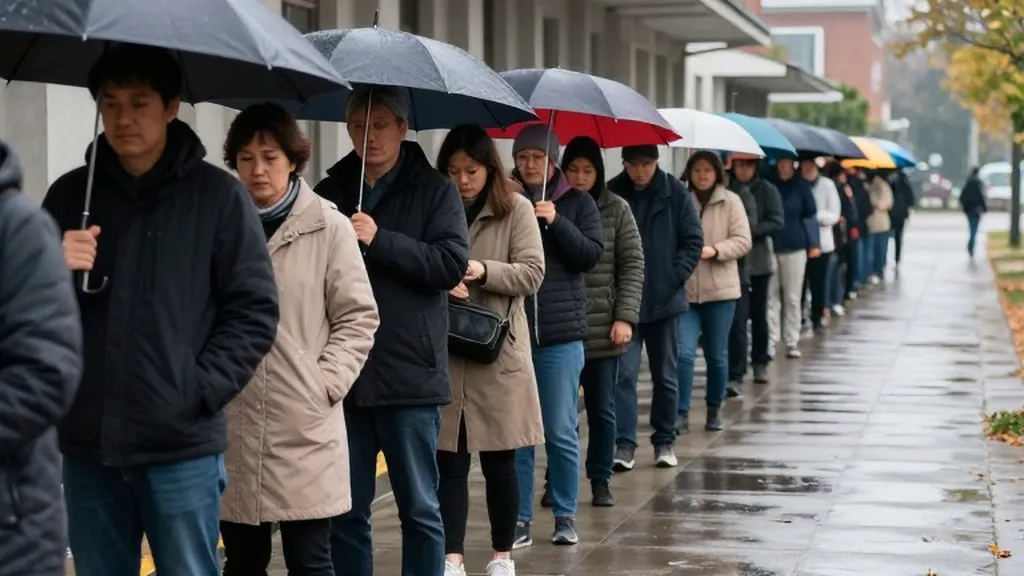
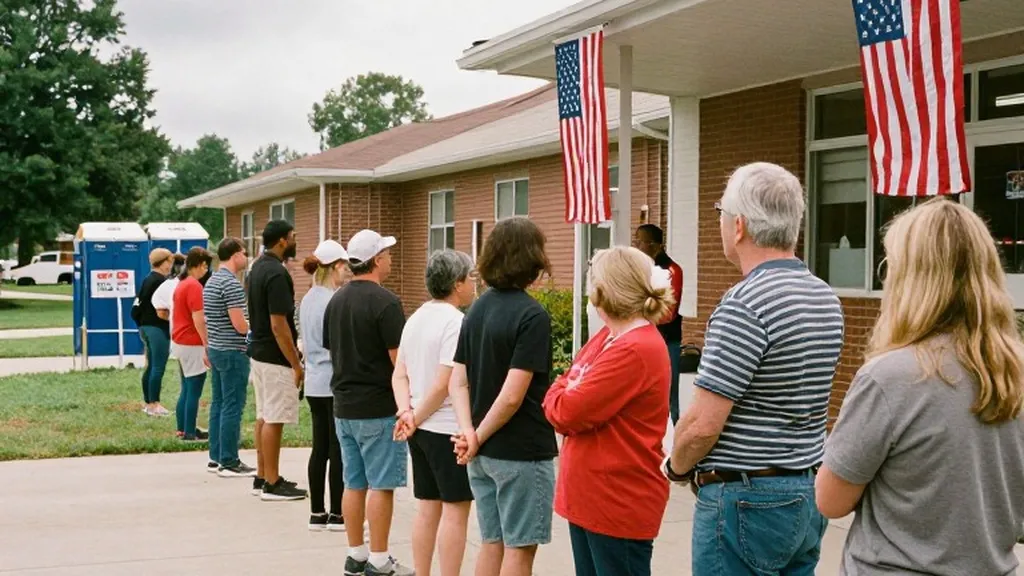
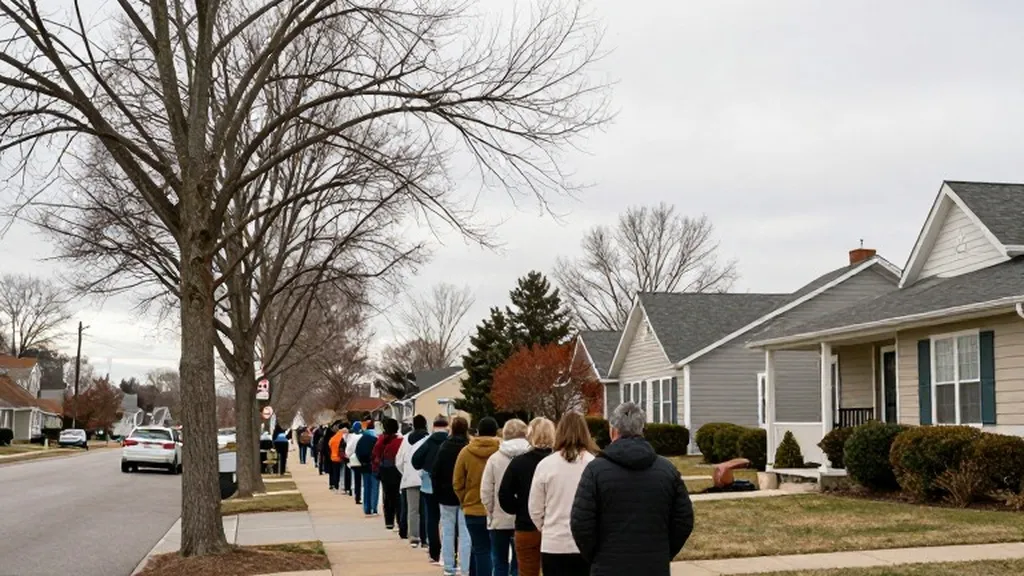
The war with Iran has emerged as a defining issue for voters on Election Day, Tuesday, November 3, 2026, as millions cast ballots in what the Associated Press describes as a referendum on President Donald Trump's second term. The conflict, which many Americans view as unpopular, has intensified frustration over the cost of living and the direction of the country. This dissatisfaction is reflected in recent polling and NORC, which found that about seven in 10 U.S. Adults say the country is heading in the wrong direction. Most of those respondents blame President Trump for high prices, a sentiment that is shaping the narrative in competitive districts across the nation.
For Democrats, the Iran war is not just a foreign policy concern but a central part of their economic message. The party argues that the conflict, combined with tariffs and other administration actions, has contributed to the financial strain felt by middle-class families. Voters in battleground states are expressing this concern directly. In Raleigh, North Carolina, a librarian named James Moore, 57, told reporters that he is paying more taxes and more for his healthcare and everything else. His comments mirror the broader Democratic strategy of linking national policy decisions, including military engagements, to the daily wallet of the average American.
The stakes for the House of Representatives are high, with all 435 seats up for election. Republicans currently hold 218 seats, while Democrats hold 214, with one independent and some vacancies. Democrats need a net gain of three districts to secure a majority, a threshold that seems attainable given the current polling and the number of Republican incumbents who have retired. Ballotpedia identifies 46 battleground districts, with 21 of those currently held by Democrats having voted for President Trump in 2024. These swing districts are where the war and economic issues are likely to have the most immediate impact on the final tally.
In the Senate, 35 seats are on the ballot, including 33 regular elections and two special elections. Republicans hold 53 seats, and Democrats need a net gain of four seats to take control. The AP notes that one or two seats could tip the chamber, making every vote in the 13 identified battleground races critical. States like Maine, Iowa, and Michigan are rated as toss-ups or leaning slightly in either direction. In Maine, economic strain and tariffs have made the state competitive, with the war adding another layer of complexity for incumbent Senator Susan Collins as she faces Democratic former state Senate President Troy Jackson.
The administration has faced increased scrutiny over its handling of the Iran conflict and the broader economy. President Trump, whose job approval stands at 35%, has held dozens of rallies to mobilize his base. He concluded his rally schedule in Salina, Kansas, urging voters to pretend he is on the ballot. However, many Republican candidates have kept a careful distance from the president to avoid the baggage of his low approval ratings, particularly his 25% approval for handling the economy. This dynamic has led to a fragmented campaign environment where local issues often overshadow national figures.
Democrats are cautiously optimistic about their chances to take control of at least one chamber of Congress. A victory in either the House or the Senate would likely trigger investigations and possible impeachment proceedings, a key goal for the party. House Democratic Leader Hakeem Jeffries, who would be the first Black speaker if Democrats win the House, has outlined a 100-day agenda focused on the cost of living and oversight of the administration. This agenda includes examining the decisions leading to the Iran war and its financial implications for the federal budget. The prospect of a Democratic-controlled Congress has also been seen as a boost for potential 2028 presidential candidates such as Gavin Newsom, JB Pritzker, and Pete Buttigieg.
The Republican strategy relies heavily on turnout and the structural advantages gained through redistricting. RNC Chairman Joe Gruters stated that everything depends on turnout, asserting that if they turn out their voters, they will win. Republicans have benefited from new congressional maps in states like Florida, California, and Texas, which were drawn to favor their party. However, the AP analysis of AdImpact data shows that 88.1% of Republican general election TV ad spending went to states and districts President Trump won in 2024. This heavy investment in safe seats, including more than $850 million in districts where he won by 10 points or more, leaves less money for the competitive races where the war and economy are the primary concerns.
The money gap remains a significant obstacle for Democrats, who face the most expensive election in history. While Republican committees have outraised and outspent their Democratic counterparts at the committee level, Democrats have managed to outraise their opponents at the candidate level. This disparity is partly due to the influence of Trump-affiliated groups and billionaire Elon Musk, who have poured significant resources into Republican campaigns. Despite this financial edge, Democrats argue that the clear mandate from voters for change will overcome the spending advantage in the crucial battlegrounds.
Election administration has also become a point of contention, with the Trump administration suing in Alaska and California over voting procedures. A federal judge temporarily barred the administration from carrying out a plan to prevent noncitizen voting, which critics say risks disenfranchising eligible voters. The administration also sued in Alaska regarding the certification of the Senate result. These legal battles have raised fears among Democrats about interference and intimidation, particularly as the Justice Department has threatened to prosecute local election officials. The U.S. Postal Service has added hours and staff to ensure mail ballots are counted on time, a critical step in states like California and Colorado where mail voting is predominant.