Senate math: Democrats need four seats to reclaim the chamber
With 13 competitive races and a significant funding disadvantage, the path to a Democratic majority hinges on holding key seats and flipping a handful of Republican strongholds.
By Amina Kaminski ·
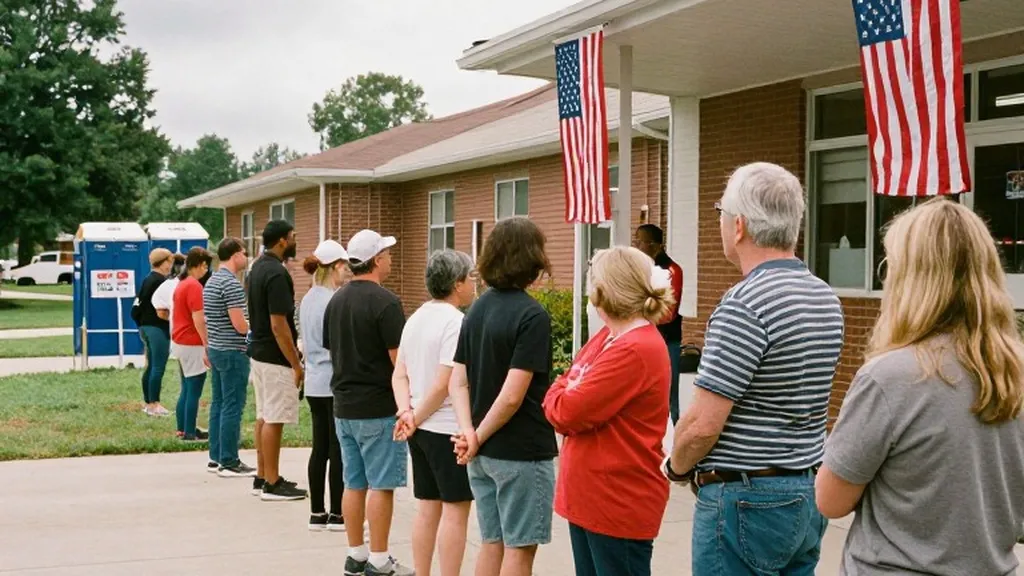
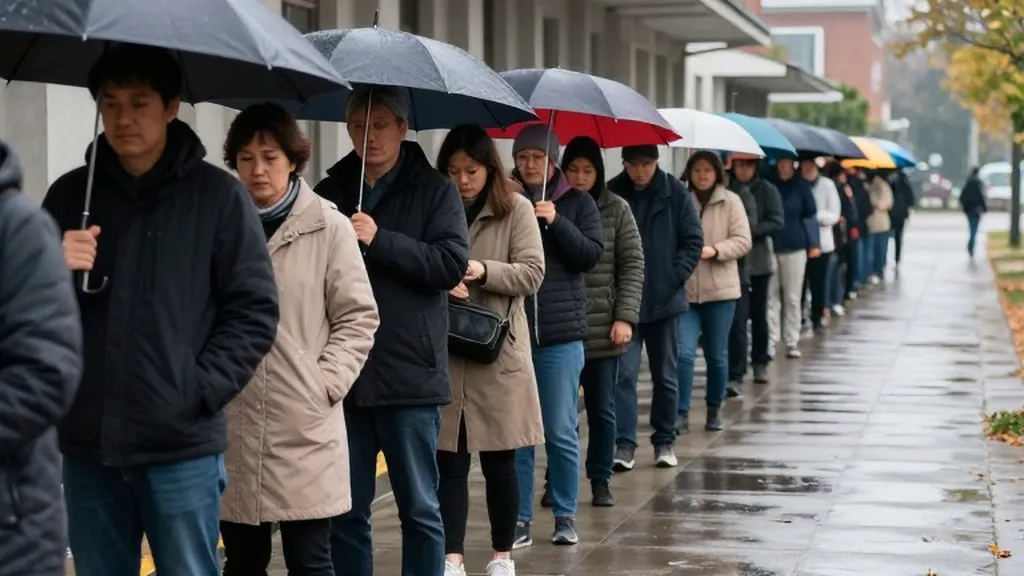
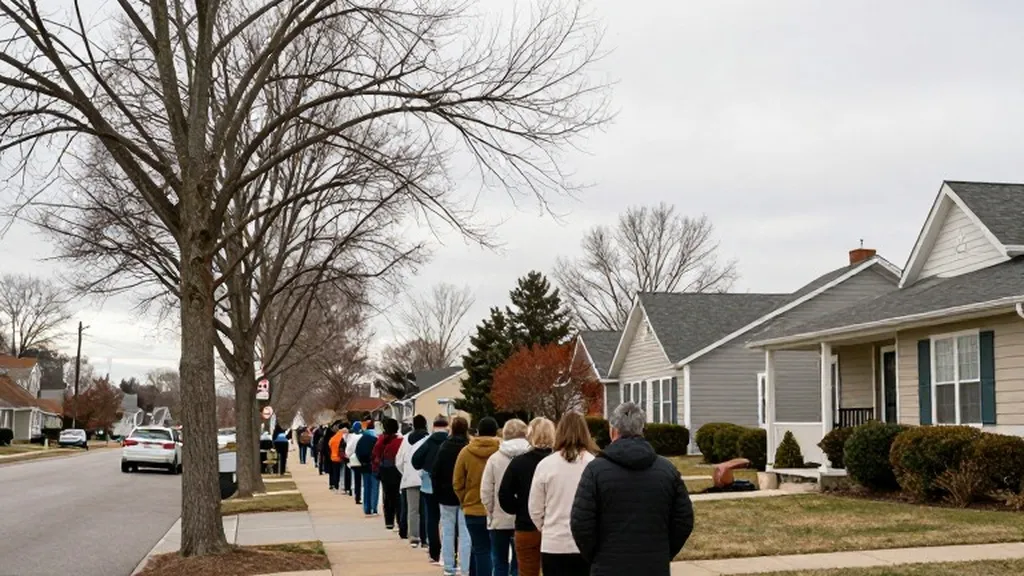
Voters across the nation are casting their ballots on Tuesday, November 3, 2026, to determine the control of the United States Senate for the final two years of President Donald Trump's second term. 35 of the 100 seats are up for election, comprising 33 regular contests and two special elections for the remnants of the terms held by Marco Rubio in Florida and JD Vance in Ohio. The current balance of power sees Republicans holding 53 seats, while Democrats hold 45, with two independents who caucus with the minority party. This arithmetic sets a high bar for the challengers, as Democrats must achieve a net gain of four seats to secure a majority, whereas Republicans can afford to lose only two.
The landscape for this contest is defined by 13 battleground races identified by Ballotpedia. These include seats in Alaska, Florida, Georgia, Iowa, Kansas, Maine, Michigan, Montana, Nebraska, New Hampshire, North Carolina, Ohio, and Texas. The composition of these races is mixed, with some featuring retiring incumbents like Joni Ernst in Iowa and Thom Tillis in North Carolina, while others involve defending incumbents such as Dan Sullivan in Alaska and Jon Ossoff in Georgia. The 2024 presidential margins in these states provide a crucial context, ranging from Harris victories in Maine and New Hampshire to Trump landslides in Montana and Nebraska.
Recent ratings from major political analysts, including Cook, Decision Desk, Inside Elections, and Sabato, as of October 27, offer a snapshot of the volatility in these contests. Maine is currently rated a toss-up by all four groups, a development the Associated Press attributes to economic strain and tariffs. Georgia is viewed as leaning to likely Democratic, while Alaska and Michigan are seen as toss-ups with slight Democratic tilts. Conversely, Kansas and Iowa are rated as toss-ups or tilting Republican, with Kansas being described as a central front in the fight for Senate control despite its reliable Republican history.
The financial dynamics of the election present a significant challenge for Democratic candidates. The Associated Press notes that the 2026 elections are likely to be the most expensive in history, with Republican committees outraising and outspending their Democratic counterparts. This advantage is bolstered by contributions from Trump-affiliated groups and Elon Musk. An analysis of AdImpact data reveals that 88.1 percent of Republican general election TV ad spending was directed toward states and districts Trump won in 2024. This includes over $850 million spent in areas where he won by 10 points or more, a strategy that underscores the party's focus on protecting its core base.
Despite the funding gap, Democratic officials maintain a stance of cautious optimism. Rep. Suzan DelBene, the chair of the Democratic Congressional Campaign Committee, stated that the American people are angry and want change. This sentiment is echoed in polling data, which indicates that 35 percent of U.S. Adults approve of Trump's job performance and only 25 percent approve of his handling of the economy. Furthermore, about seven in ten respondents believe the country is heading in the wrong direction, with most blaming the president for high prices. These factors suggest a motivated Democratic electorate focused on the cost of living and health care.
Key matchups will determine the outcome in several pivotal states. In North Carolina, Democratic former Governor Roy Cooper faces former Republican National Committee chair Michael Whatley for the seat vacated by retiring Senator Thom Tillis. In Ohio, Democratic former Senator Sherrod Brown challenges Republican Senator Jon Husted. The AP notes that in Michigan, Republican former Representative Mike Rogers is running against Democrat Abdul El-Sayed, a race complicated by an endorsement of Rogers from El-Sayed's former primary opponent, Haley Stevens. In Texas, Republican Attorney General Ken Paxton, whom Trump backed over Senator John Cornyn in the primary, faces Democrat James Talarico.
The race in Maine has drawn particular attention due to its competitive nature. Senator Susan Collins, a Republican, is running against Democratic former state Senate President Troy Jackson. The Associated Press highlights that economic concerns have made the state highly competitive, contributing to its toss-up rating. In New Hampshire, Democratic Representative Chris Pappas is competing against former Republican Senator John E. Sununu for the seat of retiring Democratic Senator Jeanne Shaheen. These races, along with others in Iowa and Kansas, will likely decide whether the chamber remains in Republican hands or shifts to Democratic control.
Administrative challenges have also played a role in the election's setup. A federal judge temporarily barred the Trump administration from implementing a plan to prevent noncitizen voting, a move critics argued could disenfranchise eligible voters. Additionally, a judge ordered the administration to stop demanding that California election officials segregate ballots from suspected noncitizens. The U.S. Postal Service has added hours and staff to ensure mail ballots are counted on time, a critical logistical step given the high volume of early voting. More than 57 million people had already voted as of Monday, surpassing early vote totals from four years ago in many closely watched states.
The stakes extend beyond simple party control. If Democrats win even one chamber, investigations and possible impeachment proceedings become likely. House Democratic Leader Hakeem Jeffries, who would be the first Black speaker if his party gains the House, has outlined a 100-day agenda focused on the cost of living and oversight. A strong Democratic night could also boost the profiles of potential 2028 candidates such as Gavin Newsom, JB Pritzker, and Pete Buttigieg. Conversely, Republicans are attempting to break the historical midterm pattern of losing seats, utilizing new redistricting maps in states like Florida and Texas, though the AP notes these new districts may not vote as drawn.