House Control Hinges on 46 Tight Races and New Maps
Democrats need a three-seat net gain to reclaim the House, a margin that depends on flipping districts in seven states with newly drawn boundaries.
By Larissa Shah ·
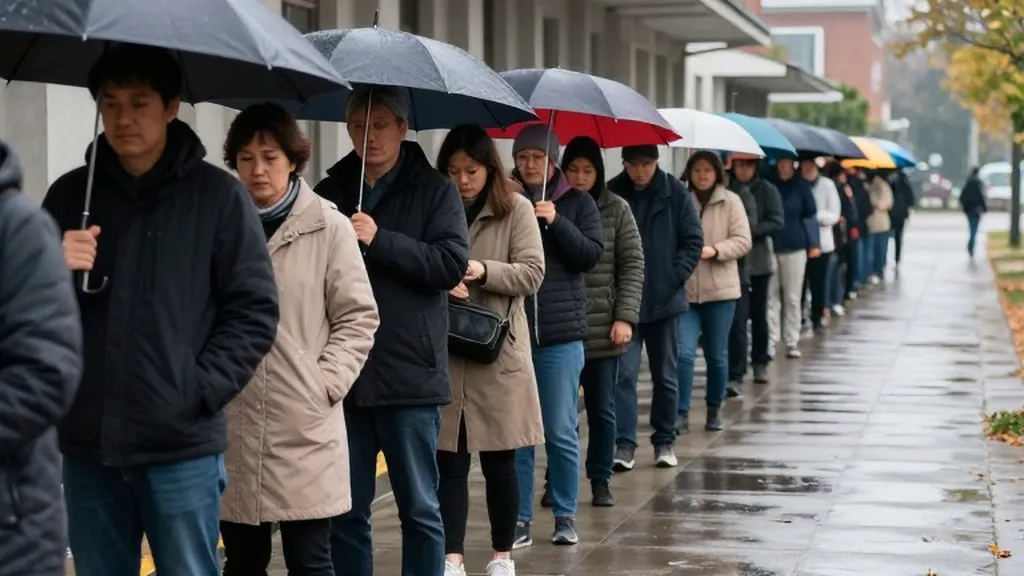
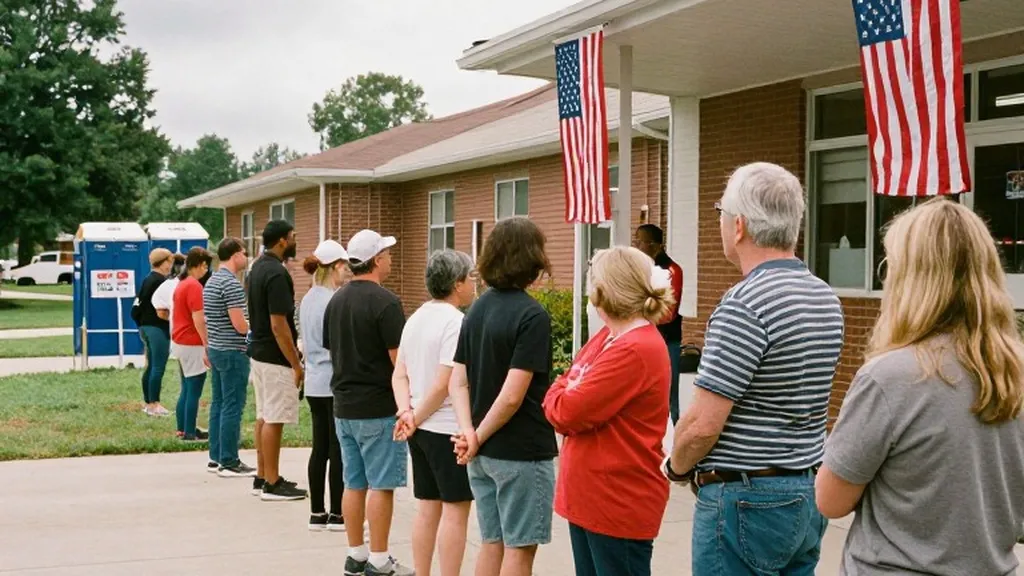
The United States is deciding the balance of power in the House of Representatives as polls open across the country. All 435 seats are up for election in this midterm contest. The current split stands at 218 seats for Republicans and 214 for Democrats, with one independent and several vacancies. This configuration means the majority margin is razor thin. Democrats require a net gain of three districts to control the chamber. Republicans can lose no more than two seats to maintain their majority.
Ballotpedia identifies 46 battleground districts where the outcome is uncertain. These races include 25 districts currently held by Democrats and 21 held by Republicans. The map has been significantly altered by mid-decade redistricting in seven states. California, Florida, Missouri, North Carolina, Tennessee, Texas, and Ohio are all using new congressional maps this year. These new boundaries may not vote in the same way as the districts they replace. Voters in these areas are casting ballots that will determine if the new lines favor the party in power.
The political landscape is shaped by the absence of many incumbents. Sixty House members are not running for re-election this year. This group includes 23 Democrats and 37 Republicans. Their departures open the door for challengers in competitive areas. The Associated Press describes the election as a referendum on President Donald Trump's second term. Voters are reported to be struggling with high prices and anger over an unpopular war with Iran. These issues are central to the conversation in the 46 key districts.
Polling data indicates that 35 percent of U.S. Adults approve of Trump's job performance. Only 25 percent approve of his handling of the economy. About seven in ten adults say the country is heading in the wrong direction. Most of these respondents blame the president for high prices. This sentiment is particularly relevant in the 21 Democratic-held districts that voted for Trump in 2024. Conversely, nine Republican-held districts voted for Kamala Harris in the previous cycle. These specific districts are critical to the three-seat margin Democrats need.
The cost of the election is likely to be the highest in history. Republican committees have outraised and outspent Democratic committees at the national level. This advantage is helped by Trump-affiliated groups and Elon Musk. However, at the candidate level, Democrats have outraised their opponents. The distribution of spending is heavily skewed. 88.1 percent of Republican general election TV ad spending went to states and districts Trump won in 2024. More than $850 million of that spending targeted areas where he won by 10 points or more. This financial edge creates a significant obstacle for Democrats trying to flip seats in the 46 battleground districts.
Redistricting has been a key strategy for Republicans to beat the typical midterm loss. The new maps in Florida and other states were designed to help the party. However, analysts note that these new districts may not vote as drawn. The uncertainty adds a layer of complexity to the 46 races that will decide the House. Democrats are cautiously optimistic about their chances. They point to the anger of voters over the cost of living and health care. The Associated Press notes that one or two seats could tip the balance in either chamber.
Voter turnout is a critical factor in these tight races. RNC Chairman Joe Gruters stated that everything depends on turnout. He said that if Republicans turn out their voters, they win. DCCC Chair Rep. Suzan DelBene countered that the American people are angry and want change. More than 57 million people had already voted as of Monday. This number surpasses the early vote of four years ago in many closely watched states. The high volume of early voting suggests that the 46 battleground districts will be closely watched on Election Day.
The administration has taken steps that critics say could affect the voting process. A federal judge temporarily barred the Trump administration from carrying out a plan to prevent noncitizen voting. Critics argue this risks disenfranchising eligible voters. Another judge ordered the administration to stop demanding that California election officials segregate ballots cast by people on lists of suspected noncitizens. These legal moves are part of a broader effort by the administration to assert authority over elections. The U.S. Postal Service has added hours and staff to ensure mail ballots are counted on time.
The outcome of the House will have immediate implications for oversight and investigations. If Democrats win even one chamber, investigations and possible impeachment proceedings become likely. House Democratic Leader Hakeem Jeffries would be the first Black speaker if the Democrats take the House. He has outlined a 100-day agenda focused on the cost of living and oversight of the administration. A strong Democratic performance would also boost potential 2028 candidates. Republicans are fighting to hold the Senate while bracing to lose the House. The final count in the 46 battleground districts will determine which party holds the gavel in the next Congress.
The voting process is underway in all 50 states. Polls are open in various time zones according to local schedules. Voters in states like California and Colorado are largely voting by mail. In other states, such as Indiana and Kentucky, polls close at 6 p.m. Local time. The U.S. Postal Service is working to ensure that mail-in ballots are processed efficiently. The results will decide who controls Congress for the president's final two years. The fate of the 435 seats rests on the choices made in these 46 critical districts.