126,000 Rohingya refugees in Malaysia face religious and legal hurdles
Despite sharing a faith, the unregistered population struggles with worship registration and immigration detention.
By Marco Graham ·
Approximately 126,000 Rohingya refugees are registered with the United Nations refugee agency in Malaysia as of February 2026. This Muslim-majority Southeast Asian nation does not legally recognize refugee status, leaving the population vulnerable to detention and bureaucratic barriers. While many share the same religion as their host country, they often face difficulties in practicing their faith and establishing a sense of belonging.
The current population is the result of decades of displacement. Around 700,000 Rohingya fled a military crackdown in Myanmar in 2017, crossing into Bangladesh. Others, including Nurul Hakim, arrived in Kuala Lumpur in 2010 after traveling on foot, by car, and by boat through Thailand. Mohammed Rafique left in 2009 with his wife and five children, but he continued to Malaysia while his family stayed in Bangladesh. Zahidah Begum fled in 2013 after soldiers raided her village and injured her father, an imam who later died of an infected leg in Bangladesh.
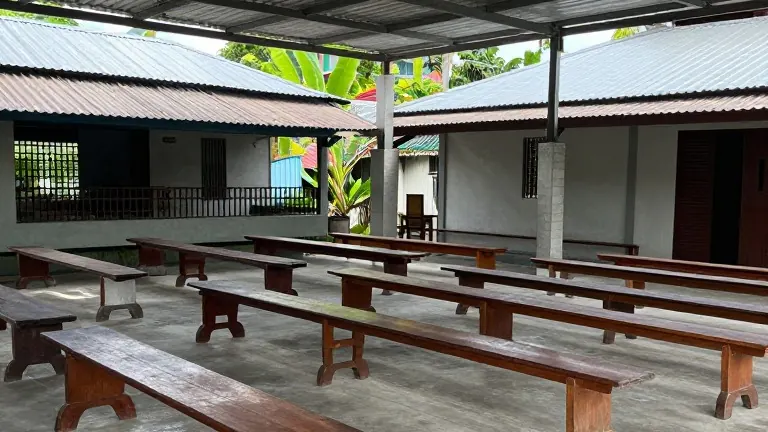
Legal status complicates daily religious life. The advocacy group CSW stated that Rohingya refugees cannot officially register their own places of worship. Most pray at local mosques, but some face discrimination or avoid these sites for fear of immigration detention. Banners declaring that Rohingya are unwelcome have been displayed outside mosques in certain neighborhoods. Sadek, a law student and advocate who fled in 2017, noted that most Rohingya do not have their own imam leading prayers because mosques are run by Malay imams.
Financial and social isolation add to the strain. Rafique earns 30 ringgit, or $7.50, a day collecting scrap materials. This income barely covers his medication. He rarely visits mosques due to the risk of encountering immigration authorities. Begum’s school-age children cannot attend formal classes, and her husband struggles to work due to health problems. Her organization, co-founded by Sadek, documents these restrictions along with harassment from social media content creators.
Sadek’s team is currently advocating for safety, fair wages, and access to healthcare and education. They monitor issues affecting refugees in Malaysia, including restrictions on religious practices. Begum teaches her two daughters to pray and recite verses from the Quran, maintaining a connection to the faith her father taught her. Hakim, who now prays freely, feels welcomed by local faith leaders but misses the communal aspect of worship he experienced in Myanmar.
The next step involves ongoing advocacy for policy changes. Sadek is pushing for improvements in the legal framework that governs refugee status. The organization continues to document cases of harassment and religious restriction. Begum and other refugees await updates on their legal standing and their families' situations in Bangladesh.