Record Spending Defines the 2026 Midterm Battle for Congress
The election is poised to set a new spending record, with Republican committees outspending Democrats overall despite a Democratic advantage at the candidate level.
By Amina Kaminski ·

This election is shaping up to be the most expensive in American history, a financial arms race that underscores the high stakes of the midterm contest. The sheer volume of money flowing into the race reflects the intensity of the fight for control of Congress. Voters across the country are casting ballots to determine which party will hold the balance of power in the House and Senate for the final two years of President Donald Trump's second term. The financial landscape of the campaign reveals a complex dynamic where aggregate spending does not always align with individual candidate fundraising.
Republican committees have outraised and outspent their Democratic counterparts at the committee level. This advantage has been bolstered by contributions from Trump-affiliated groups and significant support from Elon Musk. The Associated Press notes that this influx of capital has allowed Republican operations to maintain a dominant presence in the overall spending figures. However, the picture is more nuanced when examining the candidates themselves. At the candidate level, Democrats have actually outraised their Republican opponents, suggesting that individual campaigns are managing their resources with a different efficiency or focus than the broader party committees.
A striking detail from an Associated Press analysis of AdImpact data highlights where the money is being deployed. Eighty-eight point one percent of Republican general election television ad spending went to states and districts that Donald Trump won in the 2024 presidential election. This strategy indicates a focus on consolidating support in areas where the president has a strong base. Within this category, more than 850 million dollars was spent in districts where Trump won by ten points or more. This concentration of resources suggests a defensive strategy aimed at protecting seats in solidly Republican territory rather than investing heavily in swing districts with the same intensity.
For Democratic voters, the spending figures offer a mix of caution and opportunity. While the Republican committee edge represents a formidable obstacle, the Democratic candidate-level fundraising success suggests a ground-level resilience. Voters are weighing these financial dynamics against the issues that have driven much of the discontent, including the cost of living and the administration's handling of the war with Iran. The Associated Press describes the election as a referendum on the president's performance, with many voters struggling with high prices. This economic anxiety is a central theme in the campaigns of the candidates on the ballot.
The financial disparity also plays into the broader narrative of the election. Republicans have been bracing for a potential loss in the House while fighting to hold the Senate. The massive spending in states Trump won in 2024 may be an attempt to ensure that these areas remain firmly in the Republican column, even as Democrats seek to make gains in other regions. The new congressional maps in states like California, Florida, and Texas add another layer of complexity to how this money is being used. These redistricting efforts were part of a Republican strategy to beat the historical midterm pattern, though the effectiveness of these new districts remains to be seen by voters.
Democratic leaders, including Rep. Suzan DelBene, chair of the Democratic Congressional Campaign Committee, have emphasized the anger of the American people and their desire for change. This sentiment is reflected in the candidate-level fundraising, where Democrats have managed to outpace their opponents despite the overall committee disadvantage. The focus on individual candidates may be a tactical response to the overwhelming committee spending, allowing Democrats to target specific voters with personalized messages about healthcare, taxes, and oversight. This approach contrasts with the broader, often more generalized messaging that can accompany large committee budgets.
The role of Elon Musk and other billionaire donors has been a subject of significant attention, with his contributions helping to solidify the Republican committee edge. However, the Democratic strategy appears to rely more on mobilizing a broader base of smaller donors and emphasizing the direct impact of the administration's policies on everyday life. This is evident in the quotes from voters like James Moore, a librarian in North Carolina, who cited higher taxes and healthcare costs as key concerns. These personal stories are central to the Democratic candidate-level campaigns that have outperformed in fundraising.
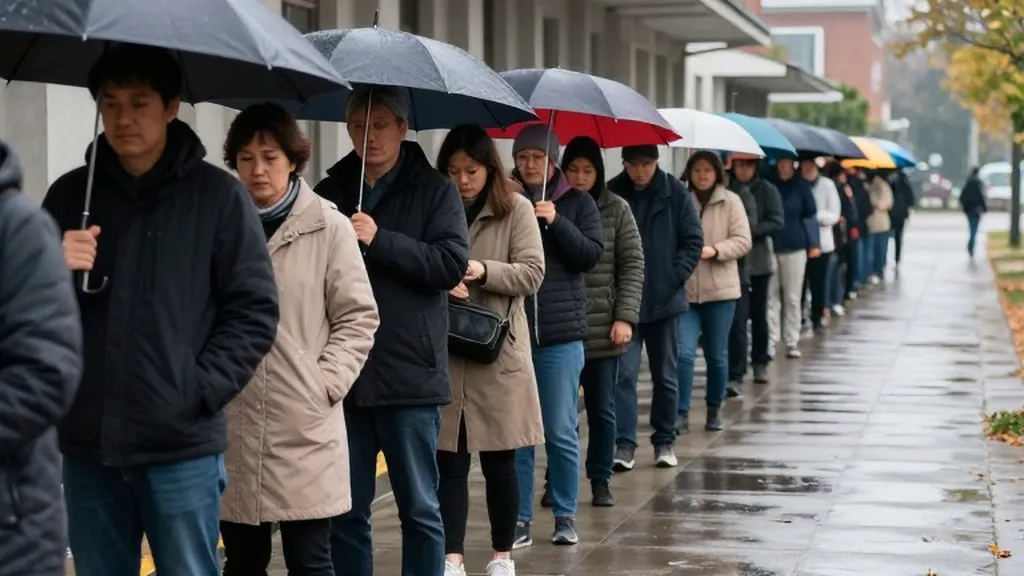
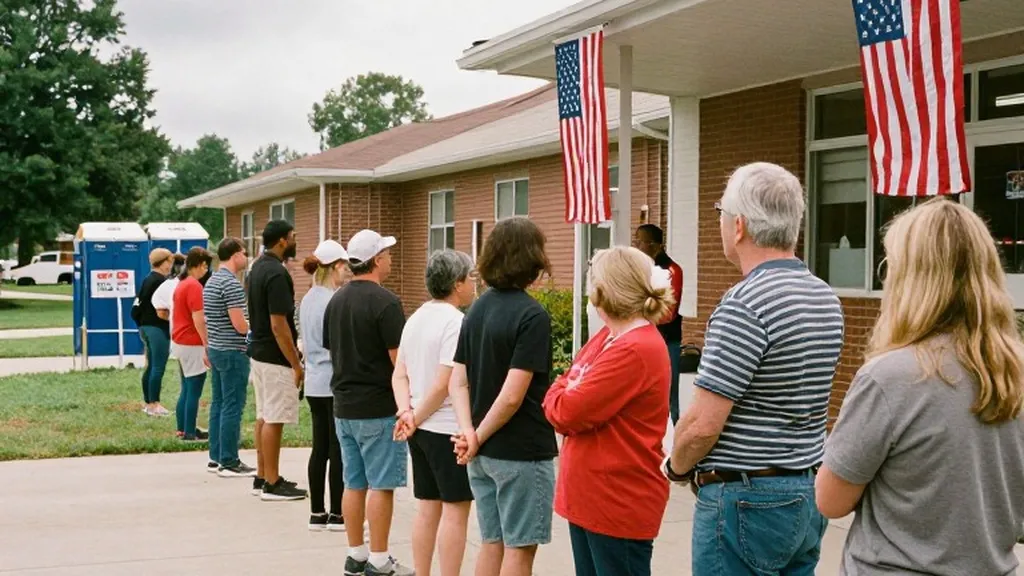
As polls open and voters head to the polls, the financial backdrop of the election serves as a reminder of the resources at play in determining the future of Congress. The most expensive election in history is not just a matter of numbers but a reflection of the competing strategies and priorities of both parties. The Republican focus on defending Trump's 2024 wins versus the Democratic focus on candidate-level engagement creates a distinct divide in how the money is being utilized. These dynamics will likely influence the final outcome, as voters decide which party is better positioned to address their concerns and shape the legislation for the coming years.
The election administration has also been impacted by the high stakes, with legal challenges and logistical adjustments ensuring that the process moves forward. A federal judge temporarily barred the administration's plan to prevent noncitizen voting, a move that critics argued could disenfranchise eligible voters. Meanwhile, the U.S. Postal Service added hours and staff to ensure mail ballots are counted on time. These administrative details, while separate from the spending figures, are crucial to the integrity of the most expensive election in history. The interplay between money, law, and voter intent will define the results of this pivotal midterm.