Trump Orders AI Data Centers to Return Energy Dividends to Host Communities
The President has demanded that hyperscalers share excess power and financial benefits with local residents to mitigate the rising costs and environmental burdens associated with rapid AI infrastructure expansion.
By Miguel Hernandez ·
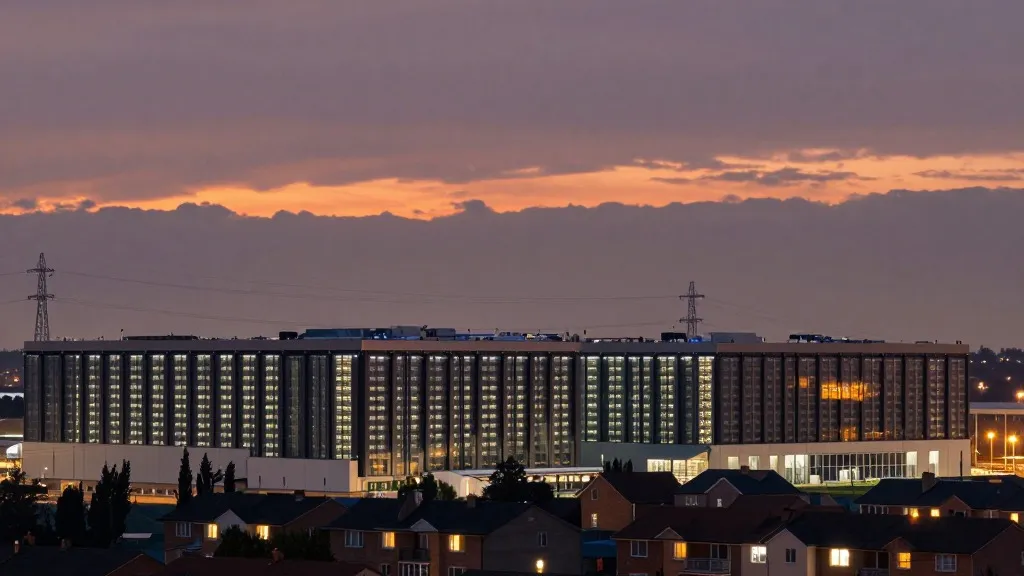
A sharp tension is emerging between the rapid expansion of artificial intelligence infrastructure and the communities bearing the immediate costs of that growth. President Donald Trump has issued a directive urging data center developers and AI hyperscalers to provide a financial or energy dividend to local populations. The goal is to counteract rising utility bills and potentially lower overall energy prices in areas hosting these massive facilities, aiming to make the projects more acceptable to residents who have increasingly voiced opposition.
In a post on Truth Social, the President outlined the new expectation, warning that data centers will be mandated to generate their own electricity. He specified that any excess power produced should either be given back to or sold to the local community. This move follows previous administration orders requiring these companies to manage their own power generation. The directive is part of a broader strategy to keep the United States ahead of China in the AI race while simultaneously addressing the friction caused by data center construction.
The pressure on local areas has intensified as AI data centers have become common sights across the country. Residents have frequently protested due to the outsized impact these facilities have on their daily lives. Common complaints include significant spikes in electricity costs, noise pollution from generators, water shortages, air pollution, and deforestation. For many small towns, these issues have turned previously welcomed tech investments into sources of local discontent.
The administration views this dividend proposal as a way to win back favor from affected communities. By having data centers shoulder the cost of grid upgrades and share excess power, the government hopes to alleviate the direct financial pain points felt by households near these sites. A recently passed act already requires data centers to pay for grid improvements, preventing those costs from being passed on to local taxpayers. The new energy sharing mandate is intended to build on this foundation, creating a more symbiotic relationship between the infrastructure and its neighbors.
Trump emphasized the economic incentive in his post, noting that data centers which were once unpopular in specific areas became highly accepted once a financial deal was struck. He urged developers to “MAKE DEALS, and get them built!!!” The administration’s stance suggests that financial compensation can effectively neutralize public resistance, allowing for faster deployment of the critical infrastructure needed for the AI sector.
However, questions remain about the practicality and scope of these dividends. Critics and observers note that calling the payments a “dividend” is unusual, as companies typically only pay such distributions when they are profitable. New data center builds often face long periods of recouping high construction costs before turning a profit. Additionally, the immediate power generation solutions being deployed are frequently gas-powered generators, which are noisy and less efficient, potentially limiting the immediate environmental benefits for nearby residents.
Reactions to the mandate have been mixed. While the promise of financial relief is appealing, many argue that the economic aspect is only one facet of a larger problem. Issues such as enormous water consumption, ecological damage, and persistent pollution remain major challenges that a simple energy dividend may not fully resolve. Some commenters suggest that without strict regulatory requirements, companies may find minimal incentives to go beyond the path of least resistance, potentially making the mandate more of a gesture than a substantive change.
What happens next depends on how these deals are structured and enforced. The administration is keen to see more data centers built, relying on the premise that financial agreements will smooth the path for construction. As the AI race continues, the balance between technological advancement and community welfare will likely remain a central point of negotiation, with the success of this mandate hinging on whether the promised dividends are substantial enough to satisfy skeptical local populations.
Source: Tom's Hardware