Breaking: Election Day is here! Make your selections for a cost of living fight
Voters across the nation are heading to the polls to decide the balance of power in Congress, with a focus on economic relief and administrative oversight.
By Marco Graham ·
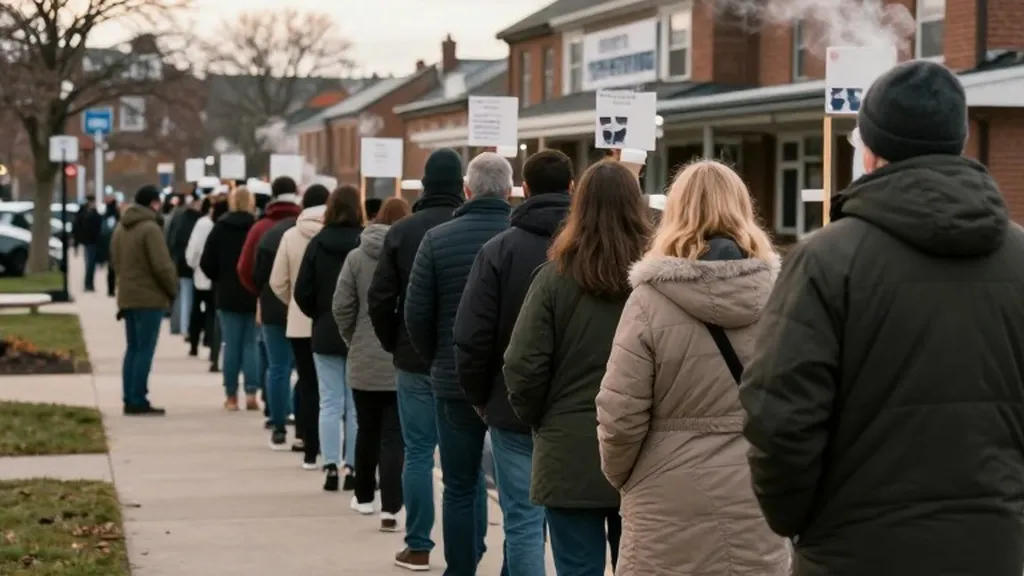
It is Election Day, Tuesday, November 3, 2026, and the nation is casting ballots to determine who will control Congress for the final two years of President Donald Trump's second term. This midterm election is being viewed as a referendum on the current administration, with many voters struggling with high prices and expressing anger over an unpopular war with Iran. The stakes are high as all 435 seats in the U.S. House and 35 seats in the U.S. Senate are up for grabs. In the House, Democrats currently hold 214 seats and need a net gain of three districts to secure a majority, while Republicans can lose no more than two seats to maintain their control. This delicate balance means that every vote in the 46 battleground districts could be decisive in shifting the chamber.
The fight for the Senate is equally critical, with Democrats needing a net gain of four seats to take control from the Republicans, who hold 53 seats. Key races are unfolding in states such as Michigan, Maine, and Georgia, where the 2024 presidential margins were relatively close. In Michigan, the open seat left by retiring Senator Gary Peters is seen as a potential tipping point, with race ratings from major groups suggesting the contest is a toss-up to lean Democratic. The Associated Press notes that economic strain and tariffs have made several states more competitive than in previous cycles, turning traditionally safe seats into uncertain battlegrounds. Voters in these states are weighing the performance of the current administration against the promise of increased oversight and legislative action.
Democratic figures have emphasized the urgency of the day, framing the election as a chance for change. Representative Suzan DelBene, chair of the Democratic Congressional Campaign Committee, stated that the American people are angry and want change. She highlighted the frustration felt by voters who are paying more for healthcare and everyday goods. This sentiment was echoed by James Moore, a 57-year-old librarian in Raleigh, North Carolina, who noted that he is paying more taxes and more for his healthcare. Moore's experience reflects the broader concern that the cost of living has become a central issue for voters nationwide. The Democratic platform focuses on addressing these economic pressures and ensuring that the administration is held accountable for its decisions.
House Democratic Leader Hakeem Jeffries has outlined a 100-day agenda that prioritizes the cost of living and oversight of the administration. If Democrats are able to secure a majority in either chamber, investigations and possible impeachment proceedings become likely. Jeffries, who would be the first Black speaker of the House if Democrats take the majority, has pledged to use the new majority to tackle the economic challenges facing American families. The agenda includes measures to lower prices and increase transparency in government operations. This focus on accountability resonates with voters who feel that the current administration has not done enough to address their financial concerns.
Republicans, however, are bracing for a potential loss in the House while fighting to hold the Senate. RNC Chairman Joe Gruters emphasized that everything depends on turnout, stating that if they turn out their voters, they will win. The Republican strategy has relied heavily on a significant financial advantage, with committees outraising and outspending their Democratic counterparts. 88.1% of Republican general election TV ad spending went to states and districts that Trump won in 2024. This heavy investment in safe seats has allowed Republicans to dominate the airwaves in certain areas, although Democrats have outraised their opponents at the candidate level. The effectiveness of this spending will be tested as voters head to the polls today.
One of the major obstacles for Democrats is the redistricting that has taken place in several states. Six states, including California, Florida, and Texas, are using new congressional maps after mid-decade redistricting. Republicans tried to use these new maps to beat the historical midterm pattern where the president's party loses seats. However, some of these new districts may not vote as they were drawn, creating uncertainty for both parties. The new maps have shifted the political landscape in key states, making some races tighter and others more predictable. Democrats will need to navigate these changes to secure the net gains necessary for a majority.
Voters are also concerned about the administration's handling of the war in Iran, which has become an unpopular issue. About 7 in 10 Americans say the country is heading in the wrong direction, with most blaming the president for high prices. This sentiment is driving voter turnout, with more than 57 million people having already voted as of Monday. This early vote surpasses the numbers from four years ago in many closely watched states. The high level of early voting suggests that a significant number of Americans are engaged in this election and are eager to make their voices heard on the key issues of the day.
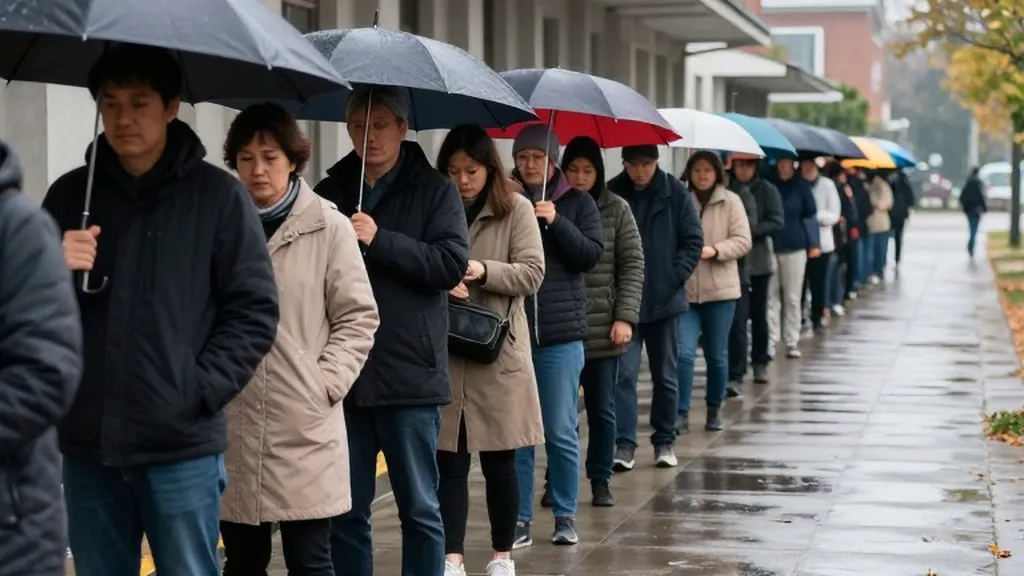
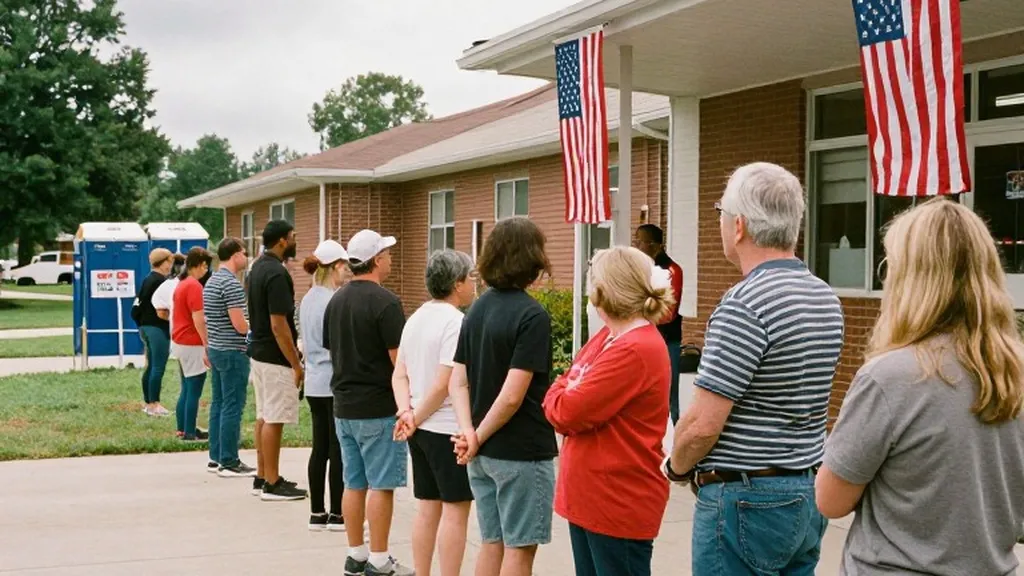
To ensure that their vote counts, voters should check their polling place hours, which vary by state. Polls in most states open between 6 a.m. And 8 a.m. And close between 6 p.m. And 9 p.m. For example, polls in California open at 7 a.m. And close at 8 p.m., while in New York they open at 6 a.m. And close at 9 p.m. Voters can find their specific polling place at vote.gov or their state election office. It is important to remember that anyone in line when polls close is entitled to vote, so voters should not hesitate to stay in line if they arrive near the closing time. ID rules also vary by state, so voters should check their state's requirements before heading to the polls.
The election is also being watched closely by Wall Street. Results could add to investor concerns about AI spending and debt ceiling negotiations. The outcome of the election will have significant implications for the economy and the direction of the country in the coming years. A strong Democratic night would boost potential 2028 candidates such as Gavin Newsom, JB Pritzker, and Pete Buttigieg, and could complicate the path for Vice President JD Vance. The election is not just about the present but also about the future of the nation and the balance of power in Washington.
As the day unfolds, the focus remains on the cost of living, health care, and the war in Iran. Democrats are hopeful that voters will prioritize these issues and deliver a majority in at least one chamber of Congress. The administration's popularity, with 35% of U.S. Adults approving of Trump's job performance, suggests that there is room for change. Voters are making their selections today to decide the direction of the country, with the power to shift the balance of power in Washington. The results will not be known until the votes are tallied, but the significance of the day is clear to all who are participating in the democratic process.