Trump's $5,000 dividend promise fades after Democrats win Congress
The President's Dallas pledge to pay every adult if Republicans kept power now faces a new Democratic majority and fiscal hurdles.
By Amina Kaminski ·
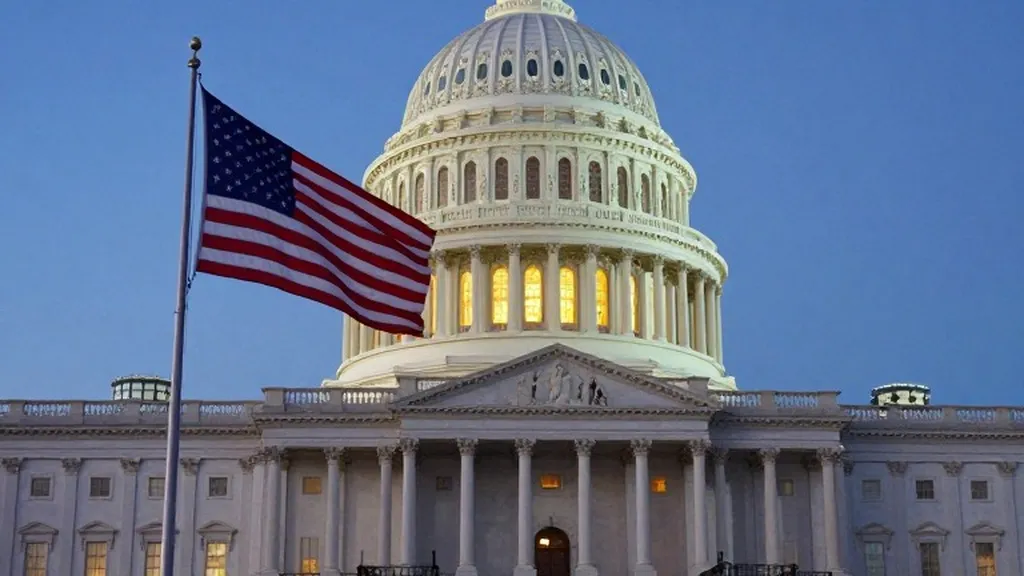
President Donald Trump stood before a crowd in Dallas last week and made a bold economic pledge to the American public. He promised that if Republicans retained control of both the House and the Senate in the upcoming midterm election, he would issue a payment of $5,000 to every adult citizen in the United States. Trump branded this initiative the Trump dividend, framing it as a reward for the nation's economic success. The promise quickly became a central feature of the campaign, offering a tangible incentive for voters who felt the strain of rising prices. Many supporters saw it as a sign of confidence in the administration's handling of the economy.
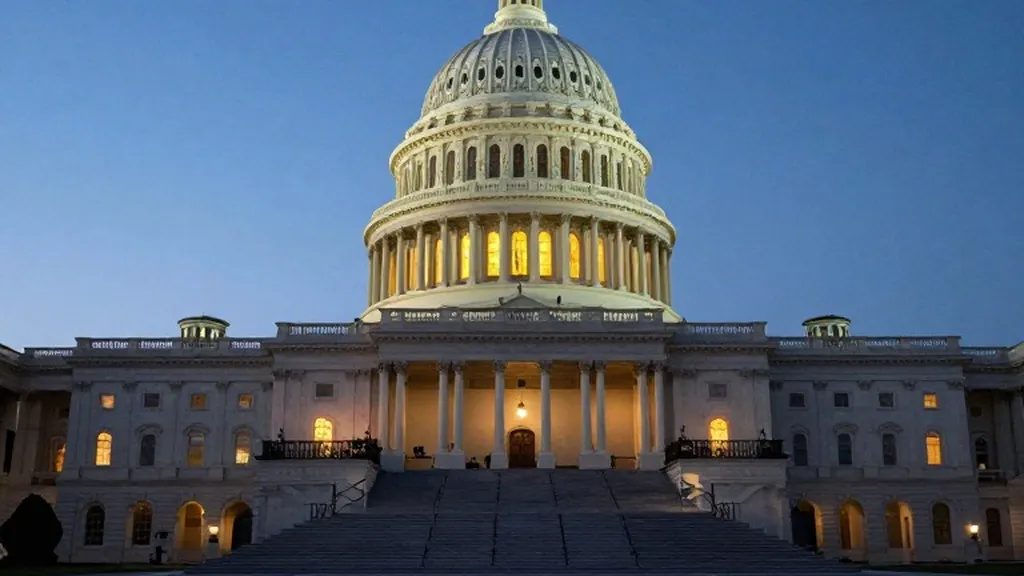
However, the political landscape has shifted dramatically since that speech in Dallas. Democrats won control of the U.S. House of Representatives in the November 3 election. Democrats also secured a majority in the U.S. Senate. This outcome means the specific condition for the dividend, Republican control of both chambers, was not met. The new Democratic Congress is now poised to take office on January 3, 2027, with a mandate to address the cost of living and other economic concerns. The failure of the condition has left the $5,000 checks in a state of political uncertainty.
House Speaker Mike Johnson, who served as the Republican leader during the campaign, addressed the logistics of the promise earlier this month. Speaking to reporters, Johnson stated that congressional approval would be required to pass such a bill. He described the idea as creative and pledged to work with the President to find consensus on the funding. Johnson noted that while the President might believe the executive branch could act independently, the legislative process remains a critical hurdle for any major financial outlay. His comments highlighted the procedural challenges that the administration faced even before the election results were finalized.
Despite Johnson's acknowledgment of the need for legislative action, Trump maintained a confident stance on the likelihood of the payments being made. The President told reporters that the $5,000 was going to happen 100%, expressing doubt that Congress would truly block such a popular measure. He argued that the strong economy and high tariff revenues would make the payments easy to manage. Trump suggested that the administration was taking in record amounts of money, which would allow them to handle the cost without significant strain on the federal budget. This optimism contrasted with the cautious tone of his own party leaders regarding the legislative path forward.
The potential cost of the dividend has drawn scrutiny from fiscal experts and political analysts. PolitiFact noted that the payment could cost the federal treasury more than $1 trillion. This figure is based on Census Bureau estimates of approximately 245 million adult U.S. Citizens. Such a massive expenditure would add to the national debt and could impact inflation. Kenneth Rogoff, a former chief economist at the International Monetary Fund, warned that the U.S. Is already running an unsustainable deficit. He argued that adding this level of spending would increase the odds of a debt crisis in the coming years, adding weight to the arguments of those who questioned the plan's feasibility.
Bipartisan criticism of the proposal emerged during the campaign itself. Some Republicans questioned the wisdom of creating a new dependency on government payments. Texas Congressman Chip Roy wrote on social media that dependency is evil and soul-sucking in all its forms. His comments reflected a broader concern within the GOP about the long-term implications of large-scale stimulus checks. Democrats, meanwhile, focused on the timing and the motivation behind the pledge. They argued that the promise was an attempt to buy votes by offering a direct financial incentive to voters. The debate highlighted the tension between campaign rhetoric and the practical realities of governing.
Legal experts suggested that the promise itself was not a violation of campaign finance laws. Rick Hasen, an election law professor at UCLA, noted that candidates are generally allowed to make promises about future policies if they win. He cited historical precedents where politicians promised tax cuts or social program expansions during their campaigns. Hasen argued that as long as the promise is public and applies to all voters, it is protected under the First Amendment. This legal perspective meant that while the promise might be fiscally risky, it was not necessarily illegal to make, leaving the burden of implementation to the incoming Congress.
The funding source for the dividend was a point of contention between the administration and economic forecasters. Trump cited tariff revenues as a potential source of funds for the payments. However, the Tax Foundation estimated that tariff revenue would not be sufficient to cover the full cost of the checks. Erica York, a senior economist at the Tax Foundation, wrote that the cost of the checks would spend almost all the revenue projected from the new tariffs over a decade. This discrepancy between the administration's claims and independent economic analyses raised questions about the sustainability of the plan. The White House responded by stating that the President had consistently proven his doubters wrong.
Vice President JD Vance offered additional details on who would receive the payments, suggesting that the money was intended for the American middle class and workers. This comment raised questions about eligibility, as Trump's original speech specified every adult citizen. The ambiguity in the target demographic added another layer of complexity to the proposal. If the checks were limited to certain income brackets, the total cost might be lower, but the definition of the middle class would need to be established by Congress. This lack of clarity made it difficult for voters to calculate the exact benefit they might receive, potentially diluting the immediate impact of the promise.