iPhone Duo sidebar locks away 15 percent of its 5.4-inch cover screen
Early reviews indicate the fixed dock consumes a large portion of the small outer display, making one-handed use more difficult than on Samsung's competing foldable.
By Amina Kaminski ·
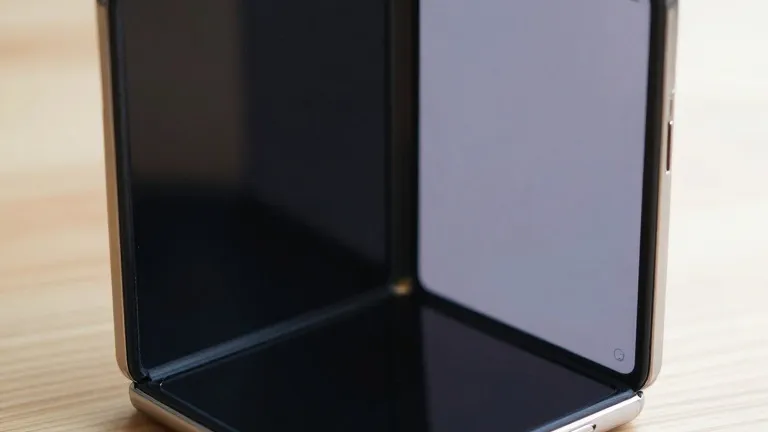
The iPhone Duo's fixed sidebar occupies 15 percent of its 5.4-inch cover display, rendering a large portion of the screen effectively unusable for main content. This static element sits on the right side of the device, creating a persistent dead zone that limits how much area users can dedicate to apps and media.
Allison Johnson of The Verge noted in a recent review that the iPhone Duo feels harder to use with one hand compared to the Samsung Galaxy Z Fold 8. The Galaxy device features a taller and narrower physical profile, which makes its cover screen easier to navigate. For users who prefer the unique utility of a large outer display, this difference in ergonomics is a major factor in daily usability.
Apple implemented the sidebar as a space-saving measure intended to simplify navigation. The strategy aims to stretch media vertically to mimic the look of a standard slab phone. However, the execution leaves the small display feeling constrained. Johnson's analysis suggests that the fixed dock forces users into a cramped workflow that contrasts sharply with the flexibility of the competition.
The comparison becomes even more stark when observing navigation methods. In video footage, the Galaxy Z Fold 8 was set to use a navigation bar rather than gestures, which slightly reduces the visual gap between the two devices. For users who rely on gesture controls for the Galaxy phone, the wasted screen space is minimal. The iPhone Duo, by contrast, permanently sacrifices that vertical real estate to the sidebar regardless of how the user interacts with the device.
This is Apple's first attempt at a wide foldable format, and the software experience reflects that early-stage development. While Samsung has spent years refining Android for large screens, iOS on the iPhone Duo still requires adjustment. The hardware appears capable, but the interface choices limit the potential of the outer display. The iPhone Duo is currently available to consumers, though stock is limited.
Meanwhile, the Galaxy Z Fold 8 continues to demonstrate that a different approach works. By leaving the outer screen free for main content, Samsung avoids the clutter of a fixed sidebar. For working families and daily drivers, the ability to utilize the full 5.4-inch display without a permanent dock could be the deciding factor between the two leading foldable options.