The $5,000 Trump Dividend That May Not Pay Off
Voters in Dallas heard a promise of a $5,000 payout for keeping Republicans in power, but experts and officials say the check is far from guaranteed.
By Marco Graham ·
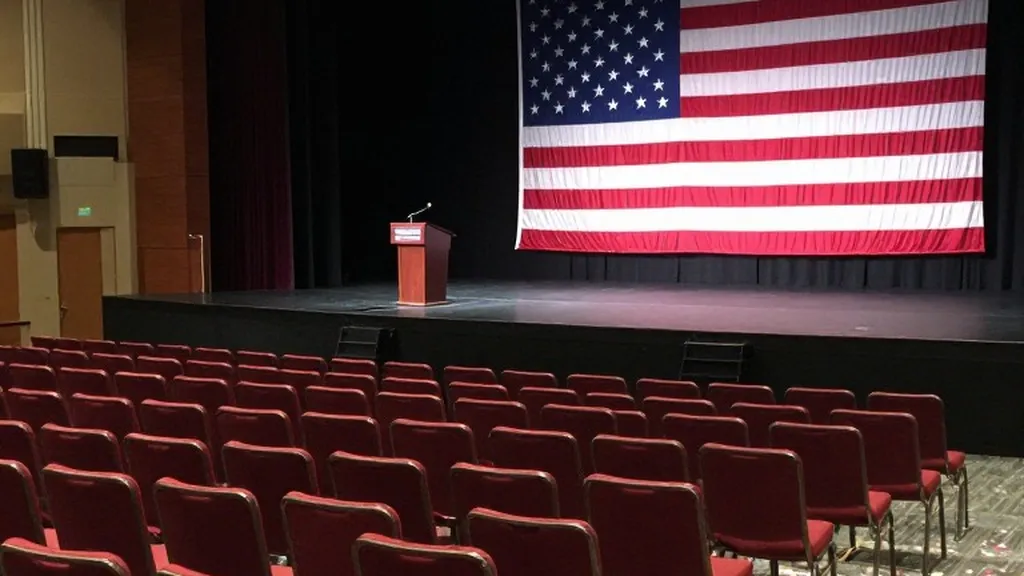
President Donald Trump stood before a crowd at the Republican Midterm Convention in Dallas last week and made a bold financial promise to the American people. He pledged that if Republicans maintained control of both the House of Representatives and the Senate in the November election, every adult citizen in the United States would receive a check for $5,000. The president labeled this proposal the Trump Dividend, framing it as a reward for the nation's economic success under his administration. He told the audience that winning the midterms meant winning with the Republican party and receiving the cash directly. The announcement drew immediate attention as a potential strategy to energize the base in a competitive election year.
The promise came with specific conditions that tied the payout to the election outcome. Trump stated that the dividend would be issued only if the Republican party kept both chambers of Congress. This condition turned a standard economic policy proposal into a direct incentive for voting for specific candidates. The president argued that the United States was generating unprecedented revenue, particularly from tariffs, which would allow the government to afford such a massive distribution. He compared the move to successful companies distributing profits to their shareholders, suggesting that the American people were the shareholders of the nation's economic growth.
However, the logistics of funding a $5,000 payment for every adult are complex and remain largely undefined. The U.S. Census Bureau estimates there are approximately 245 million adult citizens, which would make the total cost of the dividend close to $1.2 trillion. This figure exceeds the annual federal budget deficit, which is currently near $1.8 trillion. Fiscal experts have raised concerns about adding such a large expenditure to an already strained budget, particularly while inflation remains a persistent issue for many households. The White House has not released a formal plan detailing exactly how the money would be distributed or sourced beyond general references to tariff revenue.
Speaker Mike Johnson, who led the House Republican conference during the campaign, offered a pragmatic view on the legal requirements for the payout. He stated that congressional approval would be necessary to make the dividend a reality. Johnson acknowledged the creative nature of the proposal but emphasized that the executive branch cannot simply issue checks without the legislative branch acting. He pledged that Republicans would work to find consensus on the issue if they retained power, indicating that the path to payment would involve significant legislative negotiation. This admission contrasted with some earlier comments from the president, who suggested the process might be simpler.
Despite the Speaker's comments, Trump maintained a firm stance on the certainty of the payout in the days following the Dallas speech. He told reporters that the $5,000 checks were going to happen one hundred percent. The president insisted that the strong economy made the payment easy enough to handle, citing the massive inflow of money into the government. He pointed to the record revenue from tariffs as the primary funding mechanism, a claim that has faced scrutiny from economic analysts who note that tariff revenue has not historically been as high as projected. The administration's confidence in the plan stands in contrast to the cautious language used by congressional leaders.
PolitiFact examined the feasibility of the Trump Dividend and concluded that the biggest payment is far from certain. The fact-checkers noted that while the idea generates headlines, the administration had announced no formal plan for the checks. They highlighted that fiscal experts cast doubt on the proposal during a time of existing economic challenges. The report pointed out that the payment would require Congress to authorize the spending, a hurdle that becomes more difficult if the Republican margin in the Senate is slim. Political analysts suggested that securing the required supermajority for such a large spending bill might be challenging, even for a unified party.
Bipartisan criticism of the plan has focused on the cost and the timing of the promise. Some Republicans questioned the price tag, with Texas Congressman Chip Roy writing on social media that dependency is evil in all its forms. He suggested that relying on such large government payouts could create long-term issues for the economy. Democrats argued that the promise was an attempt to buy votes by offering a direct financial incentive to voters. Election law experts noted that while the promise is likely legal under the First Amendment, it serves a clear strategic purpose in a tight election. The debate over the dividend became a central talking point in the final weeks of the campaign, with both sides using it to highlight their views on fiscal responsibility.
The economic backdrop for the promise is mixed. While the stock market has seen record highs, many voters report feeling the pinch of inflation, particularly in the cost of gas and groceries. The war in Iran has contributed to rising fuel prices, a major source of frustration for consumers. Trump has argued that the strong economy justifies the dividend, but consumer sentiment remains weak. The AP Voter Poll indicated that a significant portion of voters are dissatisfied with the direction of the country, with many citing the economy as their top concern. This disconnect between official economic indicators and voter perception adds a layer of complexity to the party's message.
Speaker Johnson’s role in the coming months will be crucial in determining the fate of the Trump Dividend. If Republicans hold Congress, he will be tasked with shepherding the legislation through a chamber that has operated with a slim majority for several years. He has described the process as one of finding consensus, acknowledging that not every Republican may agree on the best way to fund the checks. The Speaker has a history of delivering legislative wins despite internal party divisions, but a $1.2 trillion expenditure is a larger hurdle than previous bills. His ability to manage this process will be a key test of the new congressional leadership.