Israel's Electoral Commission Questions Claims of Foreign Interference in Vote
As final results confirm Netanyahu's loss of majority, his camp alleges Arab-led parties stole the election, prompting a rare intelligence inquiry.
By Marco Graham ·

Israeli media projections show the coalition led by Prime Minister Benjamin Netanyahu holding 53 seats in the 120-member Knesset, falling short of the 61 required to control the parliament. This deficit places the country in a fragile political position as final vote counts are expected to confirm that the opposition, joined by Arab-led parties, has secured a majority.
The dispute over the results has intensified with a new request from the Central Election Committee for the Shin Bet intelligence service to investigate alleged electoral interference by unspecified foreign entities. While the request did not explicitly name the Arab-led parties, Netanyahu and his Likud party used the inquiry to amplify accusations that those parties had stolen the election. They argued that no coalition should partner with them, a stance critics say further marginalizes citizens who make up 20% of the population.
Qatar issued a sharp response to the allegations, categorically denying that it interfered in the Israeli elections or funded activities to influence the outcome. The nation stated it was being accused of buying the Arab vote. The Central Election Committee did not provide additional details, and the Shin Bet did not respond to questions. The committee aims to reach a conclusion within the week, with legal deadlines requiring certification of results before November 4.
Political leaders are now navigating the complex task of forming a government before the Knesset convenes on November 10. Gadi Eisenkot, head of the Yashar party and Netanyahu's main rival, indicated he is open to joining forces with Arab-led parties under certain conditions. Ahmad Tibi of the Joint List confirmed that the opposition bloc contacted him to discuss replacing the Knesset speaker, a move that would give them control over the legislative agenda.
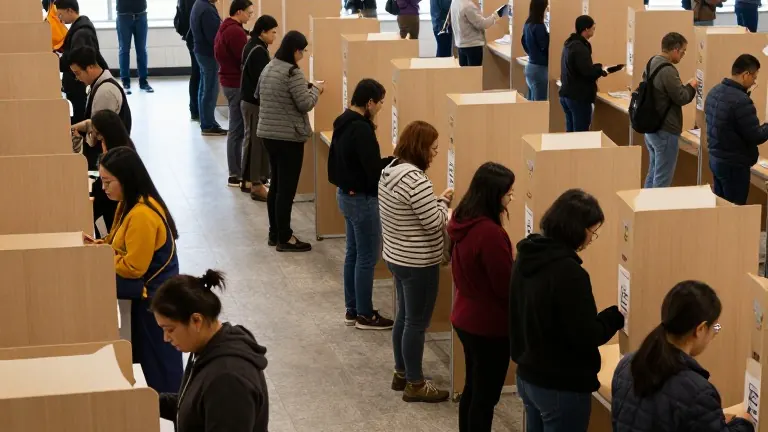
President Isaac Herzog described the current situation as a sensitive moment. He called for a full investigation into the interference claims while warning against tarnishing the entire community that exercised its right to vote. The interim director general of the electoral commission wrote to a lawmaker that, to their knowledge, there is no basis for claims of systematic violations of electoral integrity.
The political deadlock has raised the possibility of another election in early 2027 if a government cannot be formed. This outcome would force Israeli citizens, including those who traveled home to vote, to return to the polls. Meanwhile, the threat of renewed military action against Iran looms, with the U.S. government suggesting strikes could occur after the mid-term elections in the United States on November 3.