Hebron Demolitions Signal Escalating Security Costs
Military operations in Hebron are intensifying, with significant resource allocation for searches and evacuations following a fatal ambush.
By Rafael Ortega ·
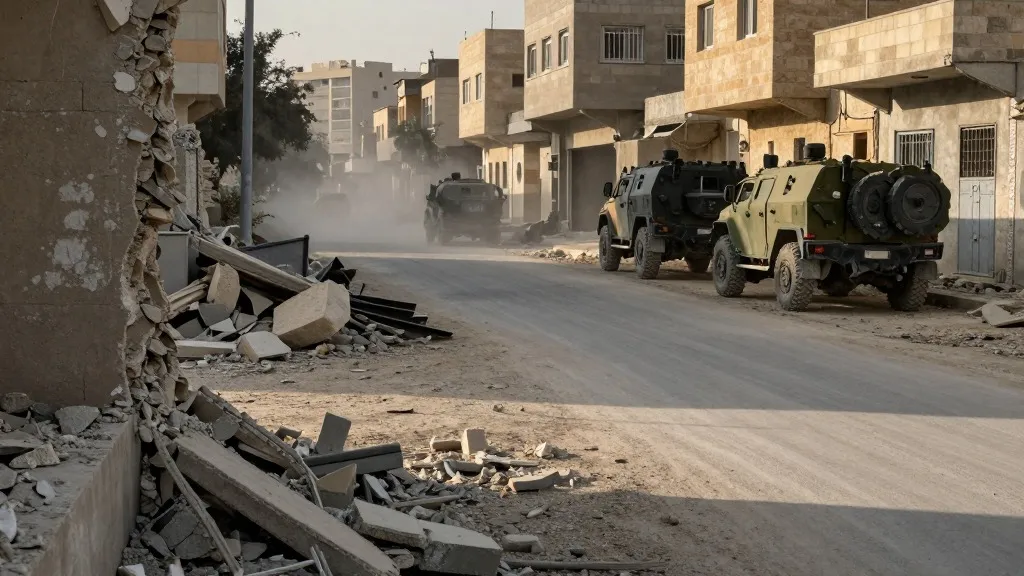
Israeli forces demolished illegal structures near the northern entrance to Hebron on Saturday, marking the financial and logistical peak of a major security operation. The demolitions followed a deadly shooting attack that occurred the previous day, which resulted in the loss of two soldiers. The military stated that removing these buildings was necessary to enforce order and eliminate specific security threats in the immediate vicinity.
The cost of the operation is reflected in its scale. Troops from the Judea Brigade, Duvdevan and Maglan units, the Paratroopers Brigade, Givati reconnaissance reservists, and Border Police participated. Intelligence guidance came from the Shin Bet. This multi-agency coordination required the search of approximately 200 locations to rule out the presence of weapons and terrorist activity. The operation also yielded ten arrests, indicating a significant deployment of personnel and time.
The strategic focus rests on the Ja'aba clan, which local assessments place at a population of about 2,000 residents in the area. This group is affiliated with Hamas and is identified as the origin of the gunmen responsible for the Friday ambush. Military officials named Hamouda and Firas al-Ja'aba as the attackers, noting their direct connection to the Ein Dir-Baha neighborhood. The precision of targeting specific structures reflects an effort to minimize operational friction while maximizing security yields.
Operational logistics included the evacuation of the al-Jalda and Ein Dir-Baha neighborhoods. These are densely populated districts in western Hebron located within the Palestinian urban area. Civilians were permitted to exit through designated checkpoints run by the Shin Bet and the IDF. This temporary displacement allowed security personnel to conduct thorough searches of homes, infrastructure, and surroundings for weapons, explosives, and caches without risking civilian lives.
The security establishment views this zone as a central hub for Hamas activity. The current phase involves a detailed situational assessment to determine the next steps. Brig.-Gen. Kobi Heller, commander of the IDF's West Bank Division, has already broadened arrest and search operations in Nablus, Jenin, Tulkarm, and other parts of Samaria. This expansion suggests that the initial Hebron operation is part of a wider, resource-intensive campaign.
These developments occur against a backdrop of strategic concerns regarding Hamas leadership abroad. There are indications that the group is attempting to orchestrate attacks ahead of upcoming elections. The military's current approach prioritizes proactive measures, such as demolitions and extensive searches, to disrupt potential threats before they materialize, thereby managing the operational risks and costs associated with a volatile security environment.
Source: The Jerusalem Post
More Business · World news · Bad Service · Report a business