Ukraine's Rights Commissioner Travels to Oleshky as Aid Delivery Begins
A local ceasefire in Kherson Oblast allows for the first humanitarian shipments into the Russian-occupied city since late October.
By Larissa Shah ·
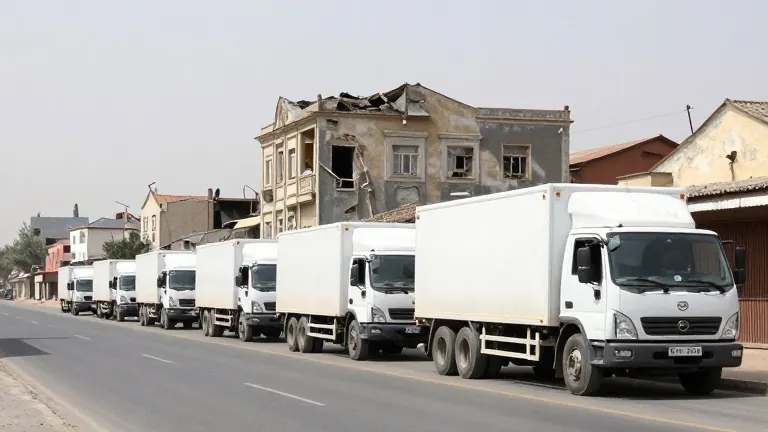
Dmytro Lubinets, Ukraine's Parliamentary Commissioner for Human Rights, departed for Oleshky in Kherson Oblast on October 29 to oversee a humanitarian operation. The delegation aims to monitor aid delivery and coordinate the evacuation of residents under a temporary truce.
The local ceasefire took effect at 3:00 a.m. on October 27. Russia's Defense Ministry confirmed the arrangement by adopting a silence regime in the area. The agreement is scheduled to expire at 11:59 p.m. on November 2. Lubinets reported that mine clearance work was proceeding successfully as of October 29. A shipment of humanitarian supplies is being prepared for delivery on October 30.
Davyd Arakhamiia, leader of the Servant of the People parliamentary faction, announced the delegation's departure on social media. He stated that the group would monitor the operation and report on its progress once communication lines become available. Kremlin spokesperson Dmitry Peskov told Russian media that Moscow expected residents to receive aid on October 29 or 30. Peskov also noted that people wishing to leave the city would be permitted to do so.
The Financial Times reported on the logistics of the evacuation based on sources familiar with the negotiations. Residents of the occupied area who agree to leave during the ceasefire will first be transported to occupied Crimea or Russian territory. They can return to Ukrainian-controlled lands only after that initial transfer.
The White House credited First Lady Melania Trump with securing the ceasefire agreement. Oleshky remains under temporary Russian occupation and faces a humanitarian crisis. Communication with the city remains limited, so updates on the delegation's work are pending a stable connection.