Netanyahu's bloc falls short of majority as Israelis await final vote counts
Local media projects 53 seats for the prime minister's side, leaving complex coalition math and potential new elections for early next year.
By Amina Kaminski ·

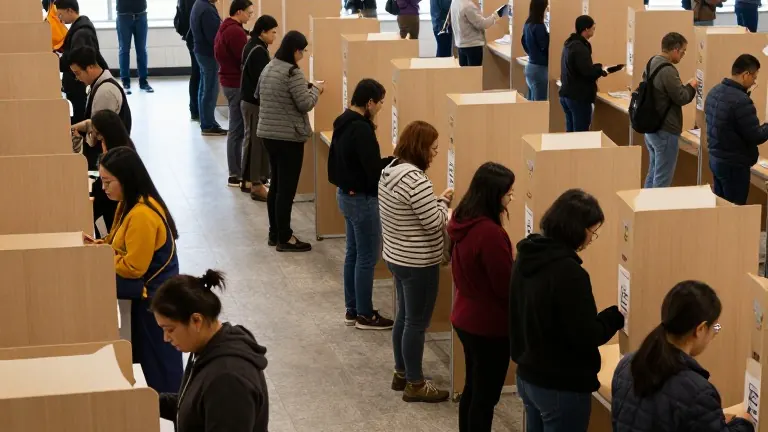
Israeli voters waited Thursday for final results that confirm a fragmented parliament with no single majority.
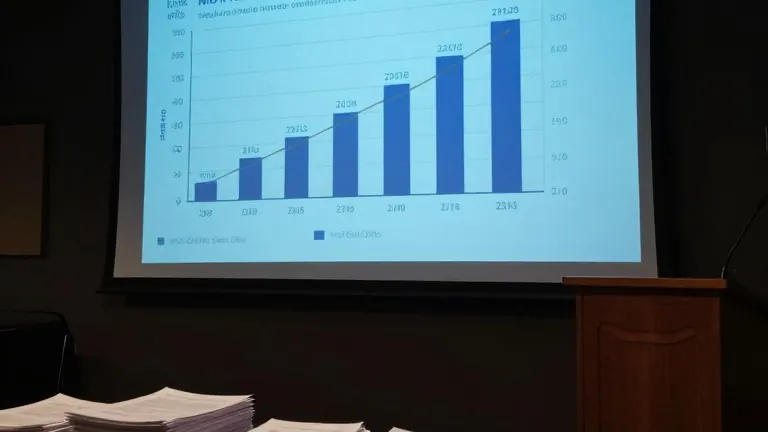
Local media projections show Netanyahu's bloc holding 53 Knesset seats, while opposition parties control 48 and Arab-led parties hold 19. The final tally could arrive as early as Thursday evening after officials count approximately 500,000 absentee ballots from military personnel, diplomats, and hospitalized or imprisoned citizens. Analysts do not expect these late votes to change the outcome dramatically.
The result forces difficult choices in the weeks ahead. Parties that campaigned to remove Netanyahu may need to join his coalition, or Jewish and Arab parties may form a historic alliance. Netanyahu remains the acting prime minister during this period.
Gadi Eisenkot, the former military chief and Netanyahu's chief rival, spoke of forming a government that reflects the will of the people. He has said he is open to working with Arab-led parties to reach the 61-seat majority required to control the 120-seat parliament. The Joint List, one of those Arab parties, said it was open to political cooperation after noting an unprecedented show of strength from Jewish voters willing to work across traditional lines.
Small rallies took place overnight in Tel Aviv and Jerusalem in support of a coalition that includes Arab-led parties. Before 2021, no Arab party had joined a coalition government, and that previous arrangement was brief. Meanwhile, Netanyahu's Likud party accused Arab-led parties of stealing the election and asked the election committee to investigate. The party did not provide specific evidence, and the committee stated that reported irregularities were low in the relatively calm election.
President Isaac Herzog will task a figure with forming the next government next week. Traditionally, this role goes to the leader of the party with the most votes, but it is not required. Herzog signaled on Wednesday that he wants to avoid a new election early next year, a sentiment shared by Eisenkot.
Israel entered this election with deep divisions over issues including military service exemptions for the ultra-Orthodox population and the handling of the war in Gaza. Netanyahu, the country's longest-serving prime minister, faces corruption allegations and accusations that he delayed hostage deals for political gain. For the 20% of the population that is Arab, there is cautious hope for representation.
External threats also affect the political timeline. The Trump administration has discussed new strikes against Iran after the November 3 midterms. Experts say Netanyahu could use a renewed war to press for a unity government under his leadership. That scenario could delay a public inquiry into the security failures that led to the October 7, 2023, Hamas-led assault.