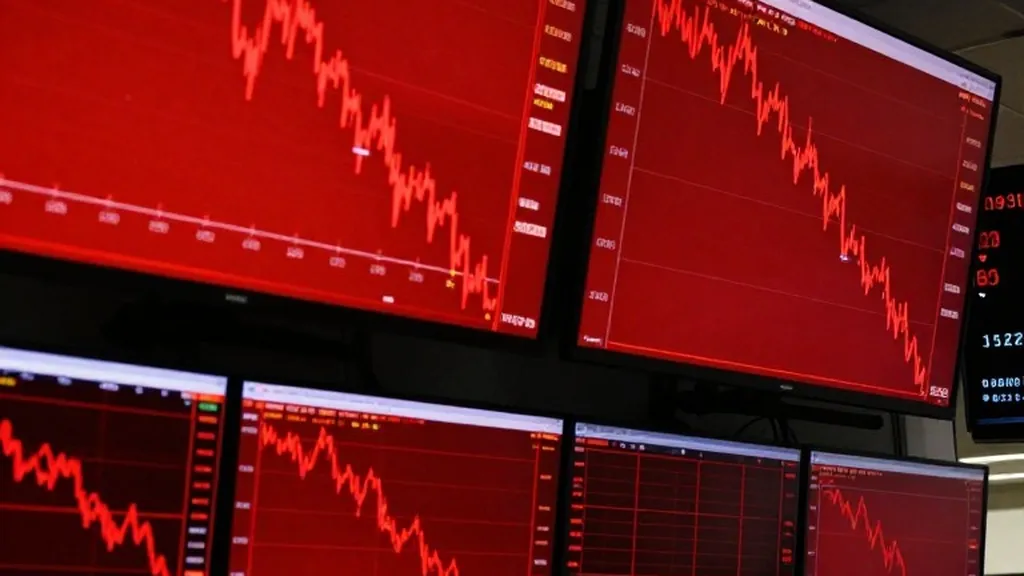
UK Bank Hikes Rates to 4% as War-Driven Inflation Hits 3.5%
The Bank of England raised its benchmark rate by a quarter-point on Thursday, marking the first increase since August 2023 to combat rising fuel costs from the Iran conflict.
By Larissa Shah ·
Borrowers in the United Kingdom will face higher costs on loans and mortgages as the Bank of England raised its key interest rate to 4.0% on Thursday. This marks the first increase in the rate since August 2023. The decision responds directly to inflation that reached 3.5% in September, the highest level in 11 months and well above the bank's 2% target.
The pressure on policymakers built over several months as the Iran war disrupted global energy supplies. The conflict, which began in late February after the U.S. and Israel attacked Iran, created bottlenecks in the Strait of Hormuz. These disruptions squeezed oil and gas supplies, driving fuel prices sharply higher. Before the war, UK interest rates had been falling from a 15-year peak of 5.25%.
The Monetary Policy Committee, comprised of nine members, moved to act as inflation forecasts continued to rise. Ellie Henderson, an economist at Investec, noted that the committee's patience with the recent price increases has likely worn thin. She warned that if energy prices remain elevated, a temporary price shock risks becoming a permanent fixture in the economy.
The rate hike aims to cool the economy by making borrowing more expensive, which in turn reduces spending and tempers inflation. Alongside the decision, the bank released its quarterly economic projections for inflation and growth. Other central banks, including the U.S. Federal Reserve and the European Central Bank, have also recently raised rates in response to similar price pressures. The next step for the Bank of England will involve monitoring the impact of this increase on consumer spending and price stability throughout 2027.
More Business · Bad Service · Report a business · Got a Story?