Midterm elections: Polls show GOP faces steep losses as Trump approval drops
Average approval ratings have fallen to 37%, a level historically associated with poor midterm performance for the president's party.
By Larissa Shah ·
Voters head into Tuesday's midterm elections with a divided outlook on the nation's political direction. Polling data indicates the electoral pendulum is swinging against President Donald Trump's party, mirroring a trend seen in most midterms over the past century. Republicans are expected to lose their slim majority in the House. The Senate race remains too close to call, with Vice President JD Vance holding the tie-breaking vote if the GOP retains control.
Trump's personal popularity has declined sharply. Average approval ratings stood at 52% in early 2025. Current polls show that number has dropped to 37%. This figure breaks below the 40% threshold that has historically signaled brutal midterm results for the incumbent party. Inflation remains a key driver of this shift. Voters cite high gas prices and the cost of everyday goods as primary concerns, contrasting with the president's campaign promises to lower costs and tame inflation.
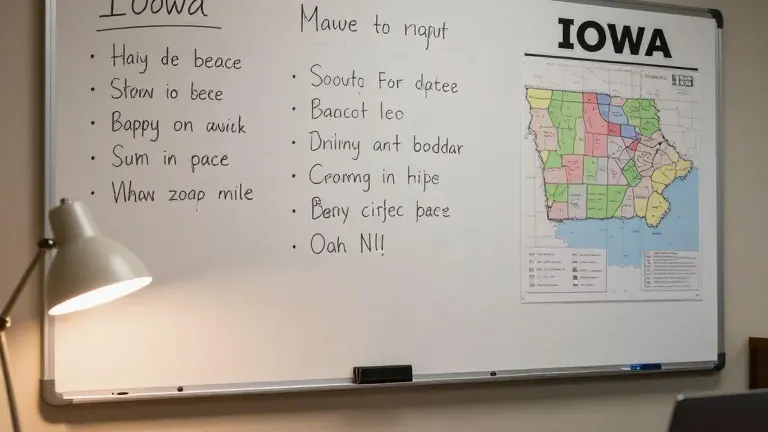
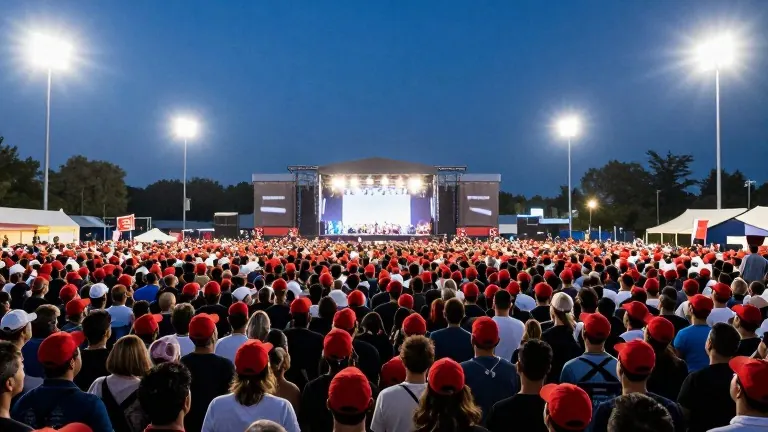
The campaign strategy reflects an effort to limit damage. Trump spent the final weekend of the campaign in Iowa and Kansas to support Senate candidates in states he previously won by double-digit margins. His team also held remote rallies in 19 other states. This approach prioritizes holding ground in competitive districts rather than expanding territory. In Iowa, Trump won 31 counties in 2016 that had supported Barack Obama. Kansas has not elected a Democrat to the Senate since 1932.
Democrats face their own challenges in preparing for potential power. Even if they win both chambers, their majorities are expected to be modest. Internal divisions persist between the party's mainstream consensus builders and its left-wing firebrands. Candidates aligned with the Democratic Socialists of America have drawn attention from media and Republican ads, even in races where they lost primaries. Democrats have united on issues like grocery prices and opposition to large data centers, but maintaining that unity in power remains uncertain.
Political analyst Ruy Teixeira published a list of 11 questions for Democrats in October. The final item asks if the party will prioritize the interests of white, non-college educated voters. Teixeira argues the party has recently focused too heavily on race, gender, and environmental policy. He suggests embracing positions that resonate with working-class voters is essential for long-term success.
Confidence in the election system itself has also wavered. Nonpartisan experts generally defend the current administration of voting, noting improvements since the Help America Vote Act of 2002. That law replaced punch-card ballots with touch-screen technology and paper trails. However, Trump has repeatedly questioned the integrity of polls and news reports. He has told supporters to ignore what he calls fake results. This rhetoric sets the stage for potential disputes in the days following the vote.
The upcoming elections will test the mechanisms of American democracy as much as the candidates themselves. Voters must decide if the will of the people will be clear enough to drive the next phase of political life. The outcome will determine which party sets the legislative agenda for the final two years of the current presidential term.