Rubio Asks Cuba to Work With Spies
The U.S. State Secretary urged islanders to join forces with the CIA, a move Havana called a hostile threat as economic pressures mount.
By Amina Kaminski ·
The central tension in U.S. Cuban relations has shifted from passive observation to active recruitment. On Friday, Secretary of State Marco Rubio issued a direct call to action for citizens on the island who are dissatisfied with their current government. He suggested that these individuals should now form a quiet alliance with the Central Intelligence Agency to drive progress. This statement marks a significant escalation in the Trump administration's broader strategy to destabilize the existing leadership in Havana.
Rubio detailed his message in a post on the social platform X. He framed the current moment as the ideal window for transformation. He cited widespread frustration with unmet promises, systemic corruption, and the stark inequality of a small privileged class. The Secretary explicitly encouraged readers to seize this chance by entering into a discrete partnership with the intelligence agency. The CIA quickly amplified the message by reposting the announcement. They also shared a similar appeal written in Spanish and included a video that outlined specific steps for how to make contact.
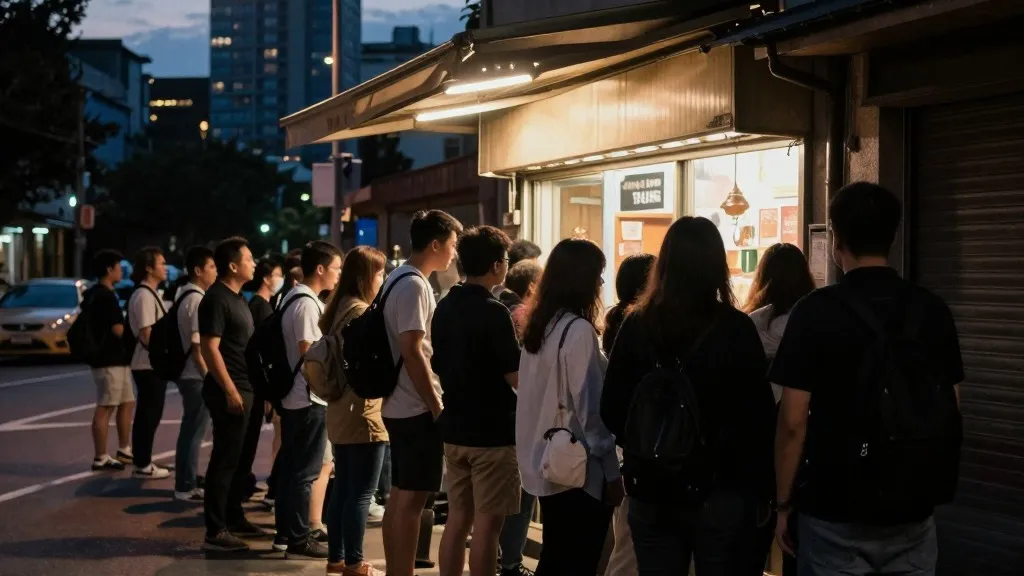
The numerical context of this diplomatic move is grim for the average worker. Cuba continues to suffer under the weight of strict American embargoes and sanctions designed to squeeze the communist regime. The cost of basic necessities has skyrocketed, making daily life increasingly difficult. Access to essential medical services has also contracted significantly. Reports indicate that citizens are spending hours standing in long lines just to buy bread. Others face similar delays when attempting to secure appointments with doctors.
The pressure on the island intensified just last week. The U.S. government announced a new round of economic sanctions aimed specifically at Cuba's state-run bank. Washington justified this action by pointing to the institution's financial ties to Iran. This latest financial blow adds to the existing strain on the Cuban economy, potentially making the Secretary's call for partnership more appealing to those struggling with high prices and shortages.
President Donald Trump weighed in on the situation on Friday during a campaign rally in South Florida. He linked the two regions in a memorable remark, stating that the U.S. would handle Cuba on the way back from Iran. He was referring to U.S. Navy warships currently deployed near the Strait of Hormuz. Trump painted a vivid picture of how this might play out. He described how these ships would pass by the island, with one stopping about 50 yards from the coast. He predicted that the Cubans would raise their hands in welcome, after which Rubio would enter to finalize the arrangement.
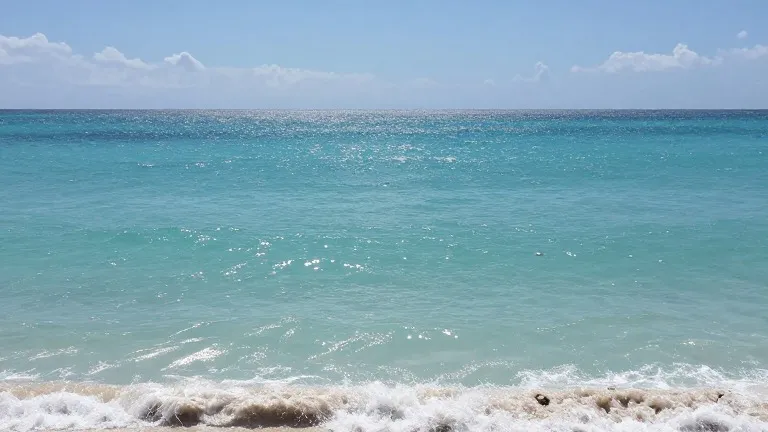
Havana has responded with sharp rejection of this rhetoric. Foreign Minister Bruno Rodríguez Parrilla took to X on Friday to counter the U.S. narrative. He stated that the island rejects any threats arising from American ambitions. The Minister emphasized that while the coastline is known for its beautiful beaches, it is also rugged and inhospitable to those who arrive with hostile intentions and a desire for domination. This response signals that the government is preparing for a confrontational posture rather than a cooperative one.
For working families in the region, this development signals a new phase of engagement. The shift from economic pressure to direct intelligence recruitment changes the landscape for civil rights and public health advocates. The stakes are high as the U.S. tests whether its naval and diplomatic tools can force a transition. The coming weeks will likely see a close watch on both the Strait of Hormuz and the Cuban coast to see if the predicted cooperation materializes.