Afghan ban shifts opium trade to Balochistan, Iran
Satellite data shows 9,000 hectares of new poppy fields in Pakistan's poorest province as Afghan farmers lease land across the border.
By Amina Kaminski ·
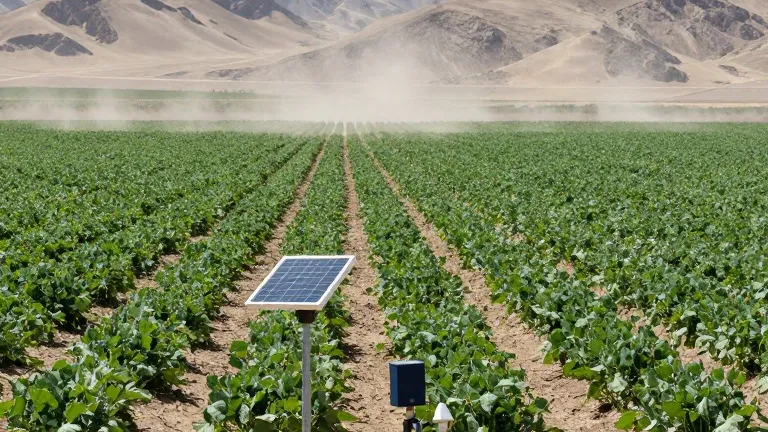
Afghan farmers have moved opium production across the border into Pakistan and Iran following a 2022 Taliban ban, according to satellite data and local interviews.
Alcis, a British satellite firm, identified more than 9,000 hectares of poppy cultivation in Pakistan's Balochistan province alone in an August report. David Mansfield, a UK-based expert on the illicit drugs industry, noted that the ban combined with regional instability created conditions for widespread planting in Balochistan and Iran's Sistan-Baluchistan province.
Mansfield, author of A State Built On Sand: How Opium Undermined Afghanistan, described the tri-border area as a global center for opium production. He warned that cultivation could climb further in 2027, boosting heroin supplies and generating income for armed groups.
Balochistan, Pakistan's largest and poorest province, sits at the core of the shift. The region has faced a decades-long insurgency by separatists and violence has intensified in recent years. Islamabad denied reports of widespread cultivation, stating that crops found have been destroyed. The UN Office on Drugs and Crime called production marginal but acknowledged spillover effects based on scarce regional data.
Most new fields in Balochistan are concentrated in the districts of Loralai and Killa Abdullah. Abdul Qahar Wadan, a former National Assembly member, said cultivation is rampant and backed by senior military officials who take commissions from growers. Monawar Hussain, the district's chief administrative officer, rejected that claim, citing a decline after last year's eradication campaign. However, 2026 satellite imagery from Alcis shows no clear evidence of eradication.
Lala Jan Kakar, a resident of Killa Abdullah, said insecurity, drought, and flash floods devastated traditional fruit farming. He stated, "It's not possible to resist it anymore. The demand for poppies is much more than fruits, and so is the income." A farmer in the same district said growers pay bribes to local authorities through intermediaries and sometimes plant poppies on barren land for publicized eradication efforts.
The surge is driven by Afghan farmers from Kandahar and Helmand leasing land in Pakistan. Kakar said these growers bring money and expertise, investing millions of rupees in solar-powered wells and sharing profits with local landowners. Poppies can be harvested twice a year, and many farmers doubled their cultivated land in 2026. Mansfield called this a stark indication that higher cultivation levels are expected in 2027.
A similar pattern exists in Iran, where Afghan farmers work as tenants and sharecroppers. Cultivation has been reported in Razavi Khorasan, Kermanshah, Lorestan, and Fars provinces, but Sistan-Baluchistan remains the main producing region. Satellite imagery from 2026 shows extensive fields using drip irrigation, suggesting growers expected little risk of eradication. Iranian authorities, preoccupied with the war against the United States and Israel since late February, have been unable or unwilling to destroy the 2026 crop.
Opium cultivation is also rebounding inside Afghanistan. Production is concentrated in northeastern Badakhshan Province, estimated to account for around half of national output, and several southwestern provinces. Mansfield said southwestern cultivation almost doubled between 2025 and 2026, though it remained limited and concealed within wheat fields. A recent Taliban directive barring home searches without a court order is a concession to farmers, but Mansfield warned it may signal tolerance for cultivation beyond walled compounds.
Mansfield noted that rising drug production fuels regional violence, with armed groups competing for tax revenues from the drugs trade and cross-border activities. The next major data point for regional production will arrive in 2027, when experts expect further increases in both Pakistan and Iran.
More Business · World news · Bad Service · Report a business · Got a Story?