Senegal's parliament votes down budget, putting IMF deal at risk
The Pastef party blocked the 2026 revised budget bill on Tuesday, complicating final negotiations for a $2.2 billion debt program with the International Monetary Fund.
By Larissa Shah ·
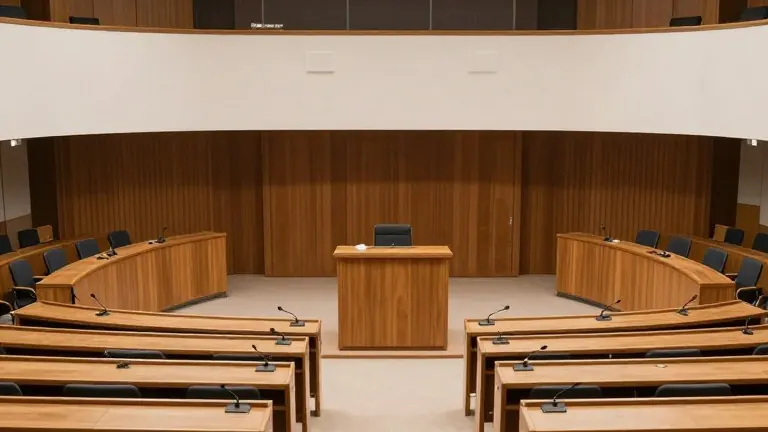
Senegal's National Assembly rejected the government's revised budget bill on Tuesday.
The opposition-led legislature voted to kill the text that officials called essential for stabilizing public finances. This action puts the country's ongoing negotiations with the International Monetary Fund in a fragile position.
In September, Senegal announced it had agreed to a $2.2 billion debt program with the IMF. The goal of that arrangement is to stabilize the national budget. However, the IMF executive board has not yet formally approved the deal, meaning the financial lifeline is not yet secured.
The Pastef party, which holds an overwhelming majority in the assembly, had signaled for weeks that it would block the measure. Party leader Ousmane Sonko, the current speaker of the house, is in a deep political feud with President Bassirou Diomaye Faye. His supporters view the budget vote as a direct challenge to the president's economic agenda.
The final vote came after a morning debate. El Malick Ndiaye, the presiding lawmaker, declared the bill rejected. The tally stood at 109 votes against, 20 in favor, and three abstentions. This final floor vote followed a procedural rejection by the finance committee one week earlier.
A parliamentary document shared with news agencies listed the pressures behind the bill. The text sought to account for a sharp rise in hydrocarbon prices linked to Middle East tensions. It also addressed a drop in projected tax revenue caused by a recent government recovery plan, along with rising costs for servicing the national debt.
The Ministry of the Economy responded to the defeat in a statement released on Saturday. The ministry noted that the decision arrived during a period of severely limited financial maneuver and ongoing IMF talks. Finance Minister Cheikh Diba was present in the chamber during the session, which began at 10:00 am local time.