Ukraine Regains Full Starlink Speeds After Week-Long Disruption
Ukrainian military operations have stabilized following the restoration of satellite internet speeds, ending a period of significant logistical challenges at the front lines.
By Marco Graham ·
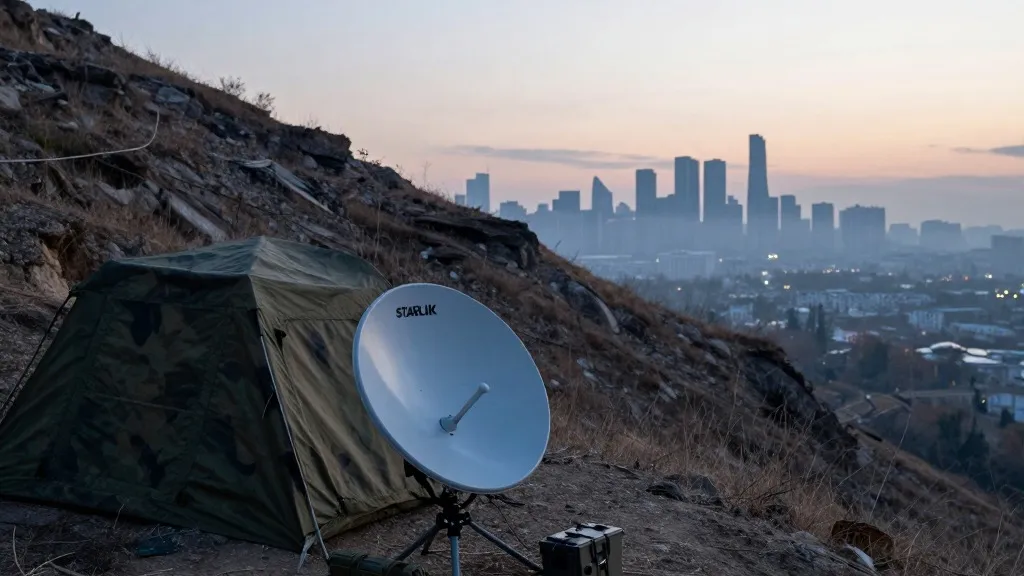
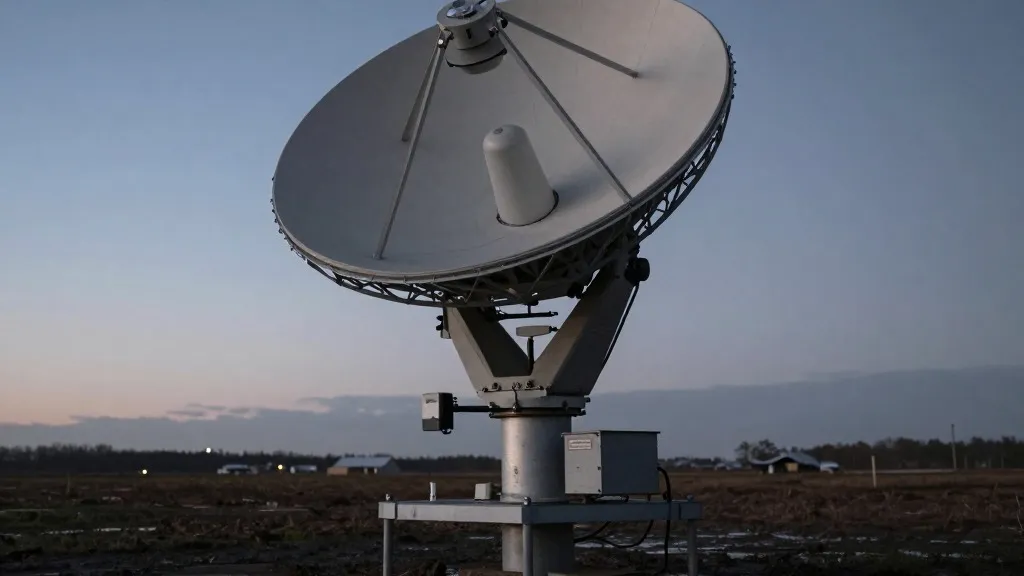
Front-line military units in Ukraine have regained full access to high-speed satellite internet, a critical resource for coordinating defenses against Russian attacks. President Volodymyr Zelenskyy confirmed on Saturday that restoration began overnight and was complete by morning. This development ends a disruption that had hampered logistics and drone operations for more than a week, directly affecting the country's ability to protect its territory.
The resolution follows a public admission by Elon Musk, who stated on the social platform X that SpaceX was responsible for slowing the Starlink service. Musk explained that the company enforced its terms of service, which prohibit using the civilian commercial network for offensive drone strikes. He argued that this loophole was closed last week to maintain the service's intended use for communication and logistics rather than direct combat.
The situation involved two distinct systems: Starlink, the commercial service, and Starshield, its military-grade counterpart. While Musk defended SpaceX's handling of the commercial service, he maintained that the U.S. government controlled any changes to Starshield. Ukrainian officials had expressed alarm over the restrictions on Starshield, with commanders reporting that they lost drones and had to disrupt missions due to the reduced bandwidth.
The strain between Kyiv and Washington had been building in recent weeks. Tensions were heightened by reports of a U.S. deal with Moscow regarding diesel imports, a move Ukraine viewed as a betrayal. However, Zelenskyy credited direct diplomacy with the U.S. government for resolving the connectivity issue. He emphasized that the outcome was vital for the military's daily work, including drone operations and communications.
White House officials provided mixed signals regarding their involvement in the decision. President Donald Trump stated that he did not make the call but suggested Musk should not be blamed. Vice-President JD Vance hinted at coordination between the White House and Musk, while Secretary of State Marco Rubio and Defence Secretary Pete Hegseth denied that the administration was directly involved in the order to slow the service.
The restoration of full speeds arrives at a delicate diplomatic moment. The United States is making a fresh push to end the war, with Russia agreeing to resume three-way talks with Washington and Kyiv next month. Additionally, Kyiv and Moscow agreed to a localized ceasefire around the town of Oleshky in the southern Kherson region, a move brokered by U.S. first lady Melania Trump.
Fighting continues across the front despite these diplomatic developments. Local officials reported that a missile attack on Lozova in the Kharkiv region killed one man and wounded two others. In response to overnight Ukrainian attacks, Moscow-installed authorities in Crimea reported widespread blackouts. The Ukrainian General Staff announced strikes on key industrial targets, including a chemical plant in Tolyatti that produces rocket fuel materials and an electronics plant in Oryol that manufactures missile components, where three people were killed.
Ukrainian drones also reached the Omsk region in Russia, a distance of more than 2,000 kilometers from the border. The online retailer Ozon stated that a drone attacked its logistics centre in the region, though no casualties were reported. These ongoing strikes highlight the continued reach of the conflict and the importance of reliable communications for both sides.