Tesla sets end-of-2026 target for first customer deliveries of Cybercab
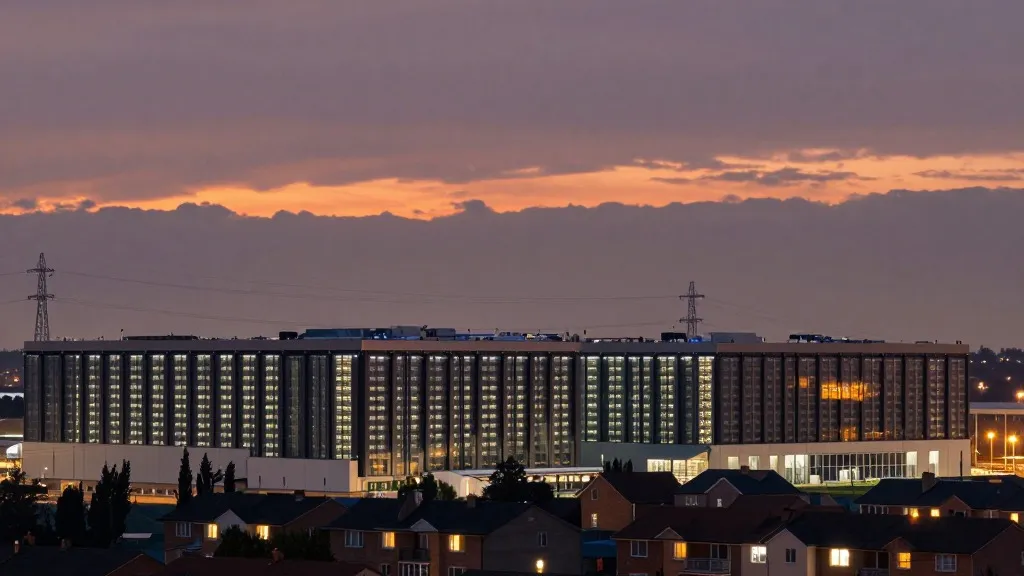
Vice President Lars Moravy confirmed that production at Gigafactory Texas is moving forward, with initial robotaxi units expected to reach private hands before the calendar year closes.
By Brianna Jackson ·
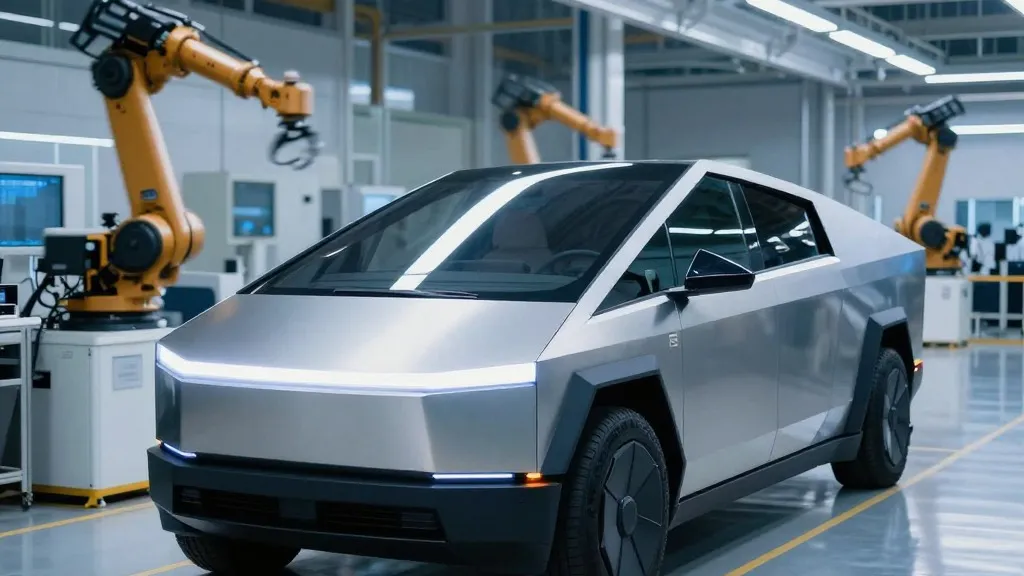
Ordinary commuters in select markets may soon have a new option for door-to-door travel without touching a steering wheel. The long-awaited Tesla Cybercab has finally secured a concrete timeline for entering private hands, moving the vehicle from a concept on the factory floor to a potential purchase for early adopters. This development marks a significant shift in how the company views its autonomous two-seater, transitioning it from a purely fleet-based asset to a product available for individual ownership, albeit in limited numbers initially.
During the third-quarter 2026 earnings call held on October 21, Tesla Vice President of Engineering Lars Moravy provided the definitive schedule. He stated that the company is aiming to begin delivering the purpose-built Cybercab to customers before the end of 2026. This announcement puts an end to months of speculation regarding whether the fully autonomous vehicle would be available in the near term. The target date aligns with the current production ramp-up at the company’s manufacturing facilities.
Moravy detailed the current status of manufacturing, noting that production is actively underway at Gigafactory Texas. However, he clarified that the immediate focus remains on internal operations. According to Moravy, all units coming off the line right now are being directed to Tesla’s own internal Robotaxi fleet. This strategy allows the company to gather real-world data and refine its autonomous driving software before handing over the keys to private owners. The initial customer deliveries are expected to be small in scale as the company gains experience with delivery logistics and fleet management.
CEO Elon Musk reinforced the idea that private sales will not be the primary driver for the Cybercab in its early stages. He described the vehicle primarily as a transport-as-a-service offering rather than a traditional personal ownership vehicle like the Model 3 or Model Y. Musk stated that the vast majority of the Cybercab units will remain Tesla-owned. This model suggests that while some individuals can buy the car, it is designed to function mostly as part of a shared autonomous network, distinct from the upcoming Roadster which is positioned as a high-performance personal vehicle.
The Cybercab itself is a radical departure from traditional automotive design. It is a two-seater vehicle developed without a steering wheel or pedals, relying entirely on Tesla’s Full Self-Driving suite. Production of the vehicle began in February of this year. Early units have been integrated into the Tesla Robotaxi service since early September, coinciding with the launch of public rides. The company has previously indicated that it aims to price the Cybercab at approximately $30,000, making it one of the most affordable autonomous vehicles on the market.
While the timeline for the Cybercab is set, broader autonomous driving capabilities for other Tesla models are also progressing. Ashok Elluswamy, Tesla’s Head of AI, indicated during the call that unsupervised Full Self-Driving is expected to ship to consumer cars during the second quarter of 2027. This suggests that the technology underlying the Cybercab will soon become available in the company’s larger lineup of sedans and SUVs, potentially expanding the utility of the autonomous platform beyond the dedicated robotaxi.
Despite the optimistic timeline, several hurdles remain before mass adoption of the Cybercab can occur. Early buyers or fleet operators may find that their vehicles have geographically restricted autonomous operation due to lagging regulatory agencies. The company must navigate a complex landscape of local and national regulations that govern how autonomous vehicles can operate on public roads. These regulatory challenges could influence the speed at which the vehicle expands beyond its initial launch zones.
For the company, the next few months are critical. The goal is to prove that the Cybercab can be delivered and maintained effectively outside of direct corporate control. This involves mastering the logistics of getting the cars to customers, establishing ownership models, and managing a fleet that is not directly supervised by Tesla employees. Success in these areas will determine whether the end-of-year target is met and how quickly the vehicle can scale from a niche product to a mainstream transportation solution.
The stakes are high for Tesla as it seeks to lead the autonomous vehicle market. By keeping the majority of the Cybercab fleet in-house, the company maintains tight control over data collection and service quality. However, offering the vehicle for sale, even in limited quantities, opens up a new revenue stream and provides a pathway for tech enthusiasts and early adopters to own a piece of the autonomous future. As production continues at Gigafactory Texas, all eyes will be on whether the year-end delivery target holds firm against the backdrop of regulatory and logistical challenges.
Source: Teslarati