Tesla’s 7-Year U-Turn: Building Own Maps to Fix FSD Speed Limit Errors
Tesla is developing proprietary mapping tools to address navigation and parking flaws in its Full Self-Driving software, a strategic shift from its earlier vision-only approach.
By Anastasia Volkova ·
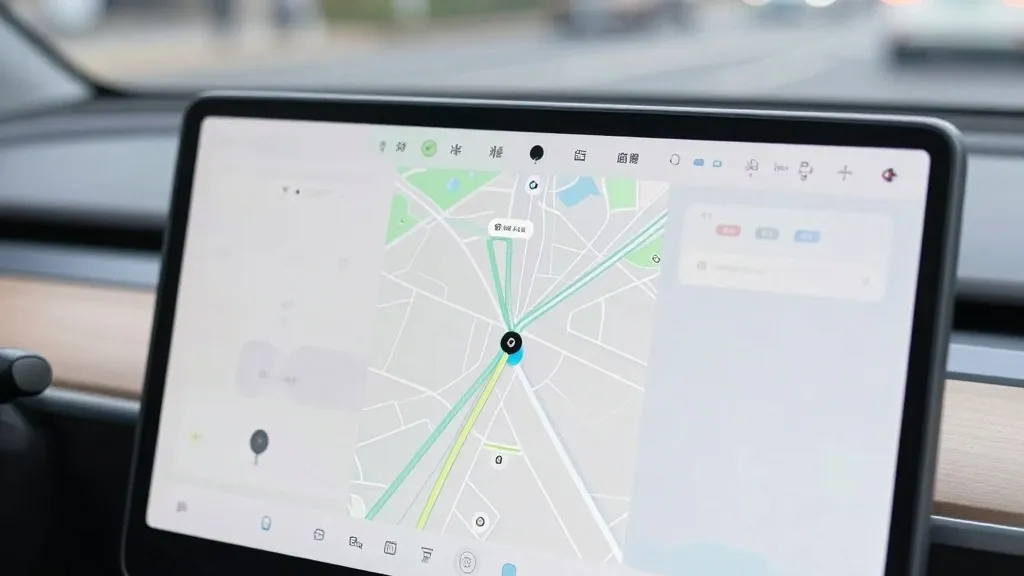
Drivers using Tesla’s Full Self-Driving system will soon rely on a new, company-built map layer. This change aims to solve persistent issues with reading speed limits, finding parking, and selecting standard routes. The move marks a significant adjustment in how Tesla handles its self-driving software.
Tesla’s VP of AI, Ashok Elluswamy, outlined this effort during the company’s Q3 2026 earnings call. He acknowledged that Tesla should not depend on external map providers. The new system uses an AI-based architecture that learns from the collective data of Tesla’s fleet. It is also designed to adapt to individual driver preferences and respond to voice commands.
The rollout will begin with FSD v15. This version will handle the start and end of trips using the new mapping technology. Over the coming months, the system is expected to take over navigation, parking, and destination handling. This gradual integration allows Tesla to refine the maps as more data is collected.
This approach contrasts with Tesla’s historical stance. In 2019, CEO Elon Musk argued that high-precision maps made self-driving systems brittle. He dismissed detailed maps and lidar as unnecessary crutches. The company originally promised that cameras and AI alone could solve driving in any environment. Seven years later, Tesla is building its own map data to correct errors its vision system frequently makes.
The need for better maps is evident in recent testing. A Belgian road safety group found that FSD exceeded speed limits in 55% of tested 30 km/h zones in Brussels. The average speed recorded was 44 km/h. The car’s display often showed an incorrect 50 km/h limit. In the US, the NHTSA is considering an investigation into Robotaxis speeding through school zones. These incidents highlight difficulties in understanding simple road information.
Tesla’s new strategy mirrors the methods used by competitors like Waymo. Waymo drives sensor-equipped vehicles through cities to create detailed maps before launching service. Tesla is now using a similar fleet-based approach. Its cars collect visual data that feeds into a central map. This map then helps improve driving performance across the entire fleet. The primary hardware difference remains that Waymo vehicles use lidar.
This development aligns with Tesla’s current Robotaxi operations. The service currently runs in specific, geofenced areas within cities. Tesla manages these fleets directly. While the company is not yet using centimeter-level high-definition maps, the new fleet-built maps could evolve in that direction. This brings Tesla’s practical method closer to the map-reliant models it once criticized.
The shift does not negate the value of Tesla’s vision-based AI. Every serious self-driving program uses maps. However, the change corrects years of messaging that suggested maps were unnecessary. As Tesla builds this infrastructure, it aims to fix the specific errors that currently affect driver confidence and road safety.
Source: Electrek