Rubio's 50-Yard Proposal: A New Chapter in US Cuba Tensions
The US Secretary of State has called on islanders to collaborate with intelligence agencies, following the President's renewed suggestion of a naval pause near the coast.
By Marco Graham ·
Marco Rubio, the United States Secretary of State, has publicly invited Cuban citizens interested in political transformation to move forward immediately. In a message posted online this week, he framed the current moment as the critical juncture for action. This call to action followed closely behind President Donald Trump's comments at a campaign gathering in South Florida, where the President proposed that American naval vessels could make a brief stop near the island during their return journey from the conflict in Iran.
The Secretary of State directed his remarks specifically at those individuals wishing to generate positive shifts in their society. He highlighted the widespread frustration caused by broken commitments, systemic corruption, and the comfortable lifestyles maintained by a small elite group. To facilitate the desired changes, Rubio suggested forming a private alliance with the Central Intelligence Agency. Although he used the word discrete, which implies being separate, the context suggests he intended discreet, meaning confidential. Rubio, who is the son of Cuban immigrants, has long been a vocal figure in this diplomatic and political debate.
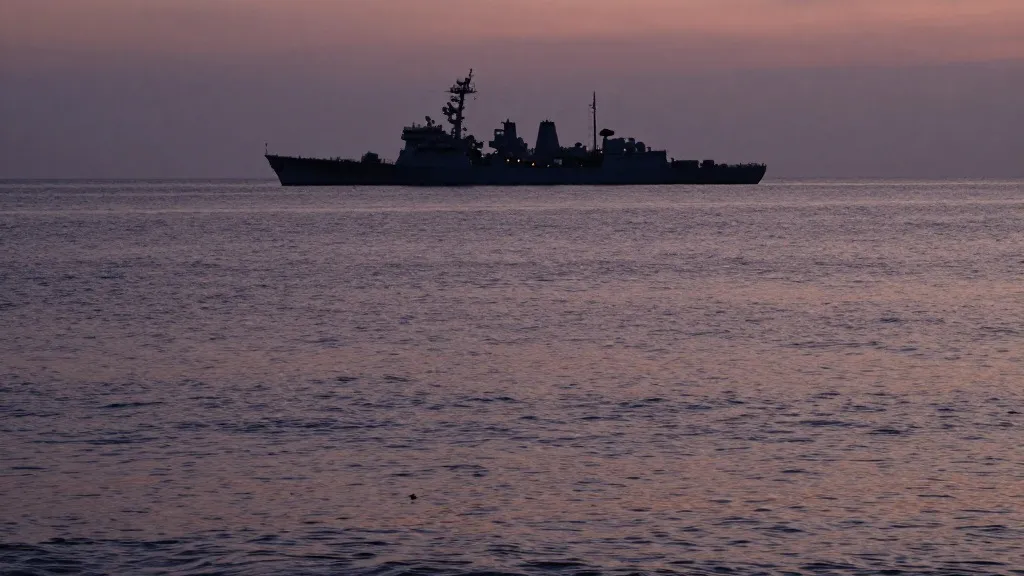
President Trump reintroduced the concept of a naval intervention after it had been absent from his recent public speeches. The idea was revived when a member of the audience at the rally asked about the status of relations with Cuba. The President described a scenario where warships, returning from the Middle East, would halt approximately 50 yards from the shore. He envisioned a symbolic gesture where the crew would raise their hands, after which he would send Rubio to finalize an agreement. This event occurred in the days leading up to the midterm elections, a period when voters are expressing anxiety over rising costs for fuel and food items attributed to the ongoing war.
The Cuban government responded to these developments with criticism on social media. Carlos Fernandez de Cossio, the deputy foreign minister, characterized the US approach as a public solicitation for intelligence services. He expressed skepticism about the agency's motives, suggesting that such a public pitch indicated a level of desperation or internal difficulty within the organization. His comments served as a direct rebuttal to the American leadership's recent rhetoric and strategy.
Both the President and the Secretary of State have adopted a firm stance regarding the island nation. Trump has previously indicated that Cuba might be the next target for external intervention once the war in Iran concludes. In May, the two leaders discussed the possibility of military steps, a threat that gained traction after the US government filed criminal charges against former leader Raul Castro. Trump has stated that while predecessors considered intervention for decades, he believes he will be the one to execute it. Rubio has cited Cuba's relationships with US rivals as a long-standing security concern, expressing doubt that the current leadership will accept a peaceful resolution.
In the weeks prior to this latest exchange, Rubio had limited his detailed public commentary on the situation. In a late September interview on Fox News, he described the island's economic state as already collapsed, noting a lack of functional systems and a revolution he considered obsolete for two decades. He expressed a hope that Cuba would pivot toward a new direction, while asserting that the US would prevent the island from becoming a strategic base against American interests. Notably, that interview did not include any reference to a specific intelligence operation.
Diplomatic efforts have remained inconsistent. Senior US officials, including Rubio, have engaged with Cuban counterparts in recent months to explore improved relations. However, the American delegation was reportedly disappointed by the progress, leading to the imposition of additional sanctions. At the United Nations General Assembly last month, Trump claimed that Rubio was deeply engaged in negotiations. Shortly thereafter, he suggested a deal was imminent and that military force would likely be unnecessary. This week, however, the two governments faced off at the UN as Washington worked to build a coalition against a scheduled vote intended to condemn the US economic embargo.
The island has faced a sustained economic and energy crisis since 2020. Its gross domestic product has contracted, and its population of ten million has endured frequent power outages, scarce food supplies, and high inflation. These hardships have sparked waves of protests and driven hundreds of thousands of residents to emigrate, with a significant number relocating to the United States.