UW Students Reject Fast Fashion with Thrifted Halloween Looks
Wisconsin students seek to lower costs and carbon footprints by buying thrifted outfits instead of fast fashion.
By Larissa Shah ·
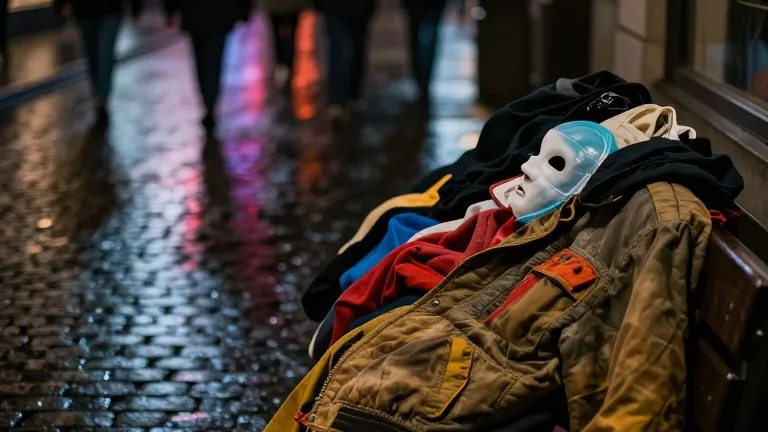
Students at the University of Wisconsin-Madison are setting a self-imposed spending cap of $100 for their Halloween costumes. The group aims to avoid the high costs of new retail items while reducing the environmental impact of single-use clothing. They are turning to secondhand markets and personal closets to build their outfits before the holiday weekend.
The National Retail Federation projects Americans will spend $13.5 billion on Halloween purchases this year. The average cost per person is expected to reach $115.14. Many UW-Madison students feel pressured to exceed that average by buying multiple elaborate outfits for Halloweekend parties on State Street.
Hadley Wendorff, a senior, noted that social dynamics drive overspending. "If your friends have a great costume you wanna have a great costume too," she said. Wendorff believes the campus culture encourages wearing several detailed outfits in a single weekend, a pattern she is trying to break by keeping her total under $100.
Junior Lily Myhra plans to shop on Depop for pieces between $50 and $100. Junior Matteo Rovera cited peer influence as a key factor in his spending habits. "There's fads for the year," Rovera said. "I would probably only ever wear one Halloween costume a year, but because of what my friends are doing, I have three this year."
The three students agreed that fast fashion retailers like Shein, Amazon, and Spirit Halloween make it easy to buy cheap, disposable items. These stores follow a model that produces clothing quickly from inexpensive materials to track trends. Fashion production accounts for 10% of global carbon emissions. Additionally, 85% of textiles end up in dumps annually, a statistic that makes single-night costumes a major contributor to waste.
To stay within their limits, students are adopting specific strategies. They are shopping at thrift stores, browsing Vinted and Facebook Marketplace, and swapping pieces with friends. Some are digging through their own closets or borrowing items from parents and peers. Others are buying versatile clothing that can be worn for daily use or future costumes. These methods allow them to dress for events while avoiding the financial and environmental costs of new, trendy garments.