Houthis fire ballistic missiles at Saudi holy sites, debris scatters across Jeddah
Civil Defense agencies confirmed two intercepts near Mecca and Medina on Saturday while Houthi spokesmen claimed simultaneous attacks on oil refineries and airports.
By Marco Graham ·
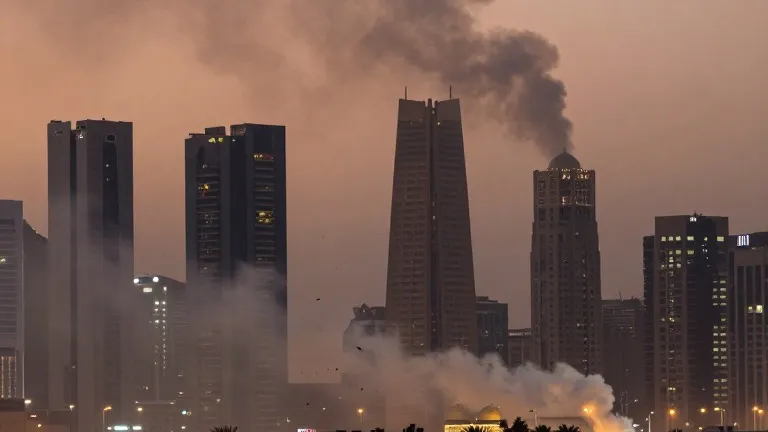
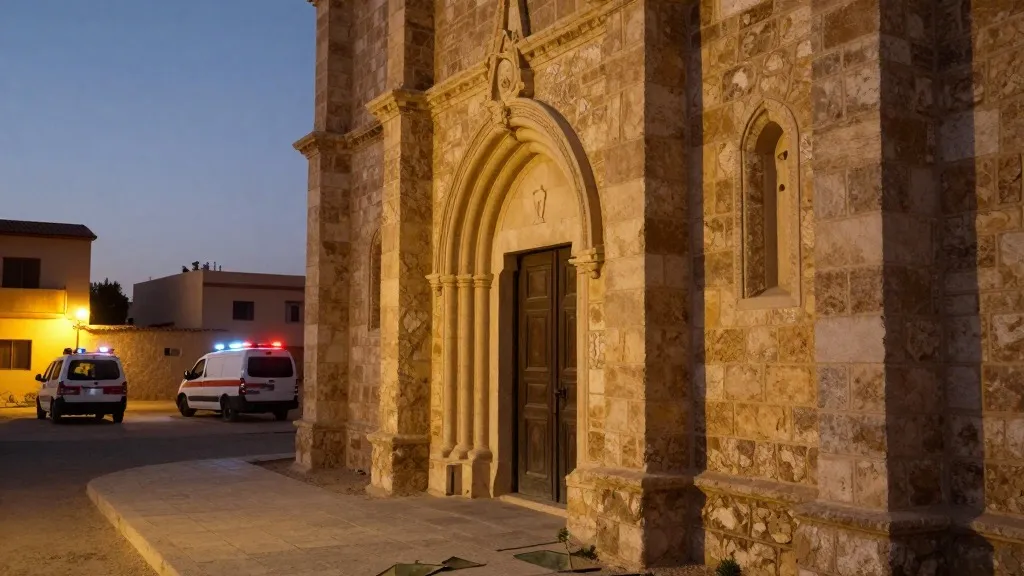
Residents in Saudi Arabia’s western regions faced a new disruption to daily life on Saturday as debris from intercepted missiles landed in populated areas. The Civil Defense agency reported that two ballistic missiles launched from Yemen by the Houthi movement were shot down as they traveled toward the Mecca and Medina areas. Fragments of the projectiles fell in Jeddah, Taif, and Rabigh, forcing local officials to manage the aftermath in several distinct locations.
The aerial defense operation coincided with a coordinated series of ground and air strikes announced by Houthi leaders. The group declared that it had targeted key energy and transportation infrastructure. Specific sites identified in the announcement included a Saudi Aramco facility in Yanbu, the Rabigh oil refinery, and King Khalid International Airport in the capital, Riyadh. Yahya Saree, the military spokesperson for the movement, listed additional targets in Dammam, Najran, and Khamis Mushait.
Saree stated that forces struck King Fahd International Airport in Dammam along with the airport and an air base in Khamis Mushait. The spokesperson also claimed an impact on the Najran airport, joining the list of sites attacked during the same operational window. These strikes represented a direct challenge to the kingdom’s critical economic and travel hubs.
The exchange of fire intensified tensions in Yemen itself. Earlier in the day, the Saba News Agency, which is linked to the Houthis, reported that the Yemen National Commission for Human Rights had issued a condemnation of Saudi actions. The commission described a massacre in the Asr neighborhood of Sanaa, the country’s capital. It also cited an attack on a cement factory located in the Hamdan district of Sanaa Governorate.
The United States government responded to the shifting dynamics in the region with updated guidance for its citizens. The State Department revised its travel advisory for Israel on Friday, noting a heightened threat from armed attacks by Iran-backed Houthi groups. The notice warned of the potential for a rapid escalation of hostilities across the Middle East. This update did not alter the existing Level 3 classification for Israel, which already urged Americans to reconsider travel due to terrorism and unrest.
Risk indicators and restrictions for specific areas within Israel remained the same following the update. The State Department referenced past Houthi actions against Saudi Arabia in its reasoning. Those previous incidents included strikes on civilian airports and critical infrastructure, which resulted in civilian casualties and significant travel disruptions. The new advisory serves as a formal signal of the increased volatility facing the region.
The timing of these events places pressure on both the Saudi defense grid and the Houthi launch capabilities. The simultaneous targeting of holy sites and commercial airports underscores the reach of the Houthi missile program. The fall of debris in Jeddah and Taif indicates the proximity of the intercepts to major urban centers.
Local authorities in the affected districts are currently assessing the damage from the falling debris. The Houthi media continues to report on the outcomes of the strikes on Sanaa and the Yemeni front. The State Department’s warning stands as the latest official US assessment of the regional risk level for travelers and residents.