Brita filters target lead, asbestos with new carbon and resin media
The company’s updated filtration systems use pleated materials to capture specific contaminants, addressing consumer concerns about tap water safety and taste.
By Amina Kaminski ·
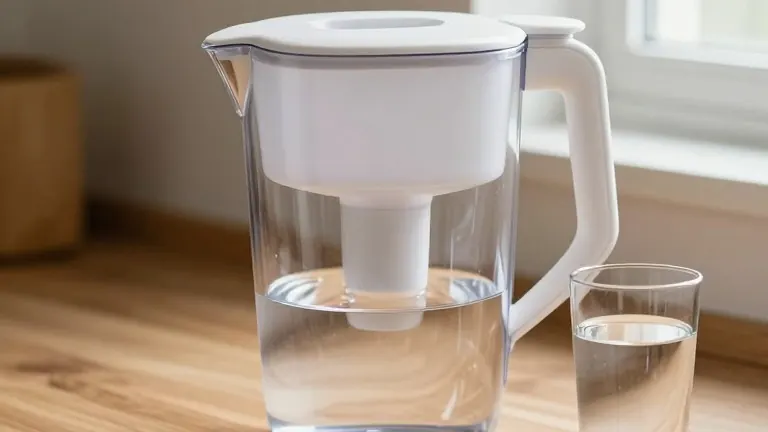
Brita has refined its water filtration technology to address specific contaminants found in municipal tap water, deploying new filter media designed to capture heavy metals and fibers. The company, which has been in the water purification market for more than 50 years, offers two primary filter options for its pitcher systems. These systems allow consumers to process tap water at home, providing an alternative to bottled water that many households purchase due to taste preferences or safety concerns.
The standard filtration unit utilized in Brita pitchers employs a combination of a mesh screen and activated carbon. This mechanism reduces undesirable odors and tastes in the water. Additionally, the standard filters incorporate an Ion Exchange Resin. This component is specifically engineered to capture copper, zinc, and cadmium from the water stream. The system operates by trickling water from an upper reservoir through the filter media into a lower pouring reservoir.
For consumers seeking to reduce a wider range of contaminants, Brita offers the Longlast+ filter. This model includes additional pleated material within the filter design. According to the company, this material helps reduce contaminants such as lead, asbestos, and cadmium. Brita also provides a stream filter option that processes water during the pouring process. While this method allows for faster pitcher filling, it slows the rate at which individual glasses are dispensed.
The company produces pitchers in various capacities to fit different household needs and refrigerator dimensions. The Brita 10-Cup Standard Everyday Pitcher holds 10 cups of filtered water. This model is designed to fit on standard refrigerator shelves to keep water cold. It features a locking lid to prevent spills and is compatible with both Standard and Longlast+ filters. Some users have noted that this specific model can be difficult to disassemble for cleaning.
A smaller alternative is the Brita Original 6-cup Small Plastic Water Filter Pitcher. This model is designed for space-saving purposes and features a lightweight yet durable construction. It includes an ergonomically designed large handle for pouring. Some owners report that the lid may leak if the pitcher is tipped backward, but the design accommodates smaller refrigerator shelves. The general price range for these pitchers falls between $15 and $45.
The Centers for Disease Control and Prevention states that the United States has one of the safest water supplies in the world. However, the agency acknowledges that contamination can occur through sewage releases, naturally occurring chemicals, fertilizers, pesticides, and equipment malfunctions. The Mayo Clinic estimates that men need to drink roughly 99 ounces of water daily and women need roughly 74 ounces. These figures can vary based on exercise, environment, and individual health.
Most Brita pitchers include an electronic filter tracker built into the lid. This device counts the number of times the pitcher is filled and alerts the user when it is time to replace the filter. If the tracker battery runs out, the water remains filtered, but the user must manually track the replacement schedule. Brita recommends cleaning the pitcher periodically, which can be aligned with filter changes every two months using mild detergent and a nonabrasive sponge.
More Business · Bad Service · Report a business · Got a Story?