5 maintenance checks for Louisiana work trucks
Humidity, salt, and summer heat create specific risks for vehicle longevity in the state. Local businesses should address these issues before the colder months arrive.
By Larissa Shah ·
Louisiana businesses that rely on work trucks face specific mechanical risks during the transition from summer to fall. The state’s humid climate, combined with salt exposure, accelerates wear on vehicle components. Drivers and fleet managers should perform five specific checks to prevent long-term damage. These steps address issues caused by the recent high-heat season and prepare vehicles for the upcoming hurricane season and winter.
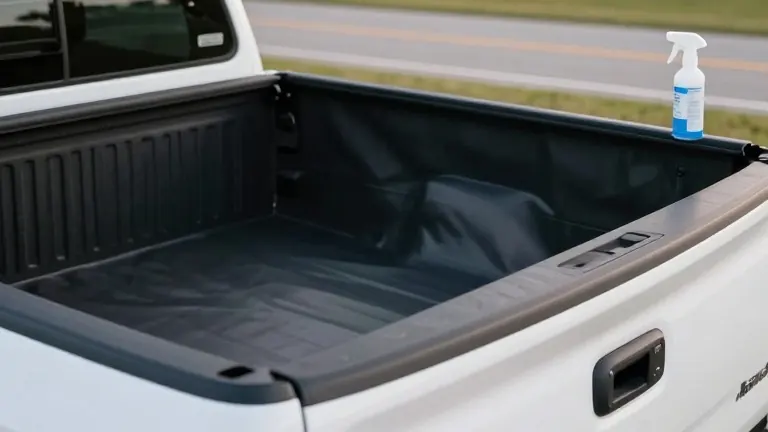
The first step involves inspecting the paint finish on the truck bed. Constant use for hauling cargo and tools can cause superficial damage. If left unaddressed, this wear allows rust to set in as the weather becomes damp. Applying a bed liner spray offers protection against traffic impacts, ultraviolet damage, and moisture. This coating helps preserve the structural strength of the bed for the coming year.
Air filters require replacement after a summer of filtering dust and debris. The high pollen counts and airborne particles in the region put significant strain on these components. Swapping out the filters prevents old air from lingering in the cabin. This simple change improves air quality for drivers during the damp fall and winter months.
Wiper blades need proactive replacement before heavy rainfall begins. Hurricane season is currently active in Louisiana. Drivers should replace blades that show streaking or chattering. Chattering occurs when the blades vibrate along the windshield instead of gliding smoothly. Addressing this issue now ensures clear visibility during medium to heavy rain.
A thorough undercarriage wash is essential to remove accumulated salt and humidity. These elements accelerate oxidation on hard-to-reach metal parts. While commercial car washes offer undercarriage blasts, a handwash provides a more gentle and comprehensive cleaning. Removing salt before it bonds to the metal prevents corrosion that becomes more difficult to treat as temperatures drop.
Finally, drivers must check the coolant balance immediately. High summer heat degrades the additives within the cooling system. This degradation can render the system ineffective when temperatures eventually fall. A flush may be necessary to ensure the vehicle is roadworthy for winter. Checking this now avoids potential breakdowns during cold weather operations.
These five maintenance tasks address the specific environmental stressors found in Louisiana. The combination of heat, humidity, and salt creates a unique challenge for vehicle upkeep. Completing these checks before the first cold snap ensures that work trucks remain reliable. The effort now saves time and money during the busy work season ahead.
More Business · Bad Service · Report a business · Got a Story?