Warhound: $200M Raised to Engineer Elite Military Canines
A new venture backed by Sequoia and Anduril aims to solve the U.S. military's reliance on foreign working dogs through genetic engineering and advanced gear.
By Zanele Khumalo ·
Warhound has emerged from stealth with a $200 million funding round, positioning itself as a major player in the defense and biotechnology sectors. The startup, co-founded by Ben Lamm of Colossal Biosciences and Palmer Luckey of Anduril, received investment from Sequoia, 8VC, Corner Ventures, and In-Q-Tel. The latter is a venture firm backed by the CIA and other U.S. intelligence agencies. This significant capital injection values the company at $1.2 billion, signaling strong investor confidence in the potential of genetically enhanced working dogs for military and law enforcement applications.
The primary objective of Warhound is to address a critical supply chain issue within the U.S. defense sector. According to the company's launch materials, over 80% of the military's working dogs are currently sourced from Europe. Furthermore, less than half of these imported animals are deemed fit for service. This dependency creates a vulnerability in national security operations, as the supply of suitable canines dwindles. Warhound intends to localize and optimize this supply by engineering dogs specifically for dangerous tasks that are too risky for humans or too complex for current machine capabilities.
Lamm explained that he and Luckey met approximately a year ago at a conference, where the need for better working dogs was discussed. Subsequent research revealed that many traditional breeds fail training due to inherited genetic issues, such as poor eyesight, cancer predisposition, hip dysplasia, and muscle atrophy. To counter this, the team is utilizing cell lines from high-performing breeds, including Belgian Malinois and German Shepherds. These cells are stored in a biobank, where scientists will edit the DNA to enhance performance traits like speed, agility, and olfactory sensitivity while removing genes associated with health problems.
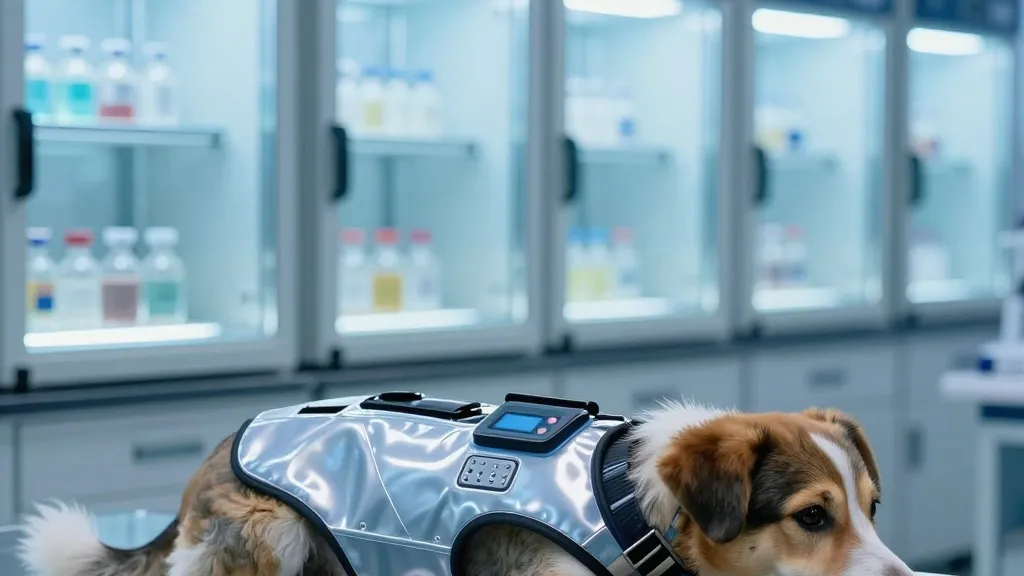
Anduril plays a crucial role in the venture by providing the technological hardware and software necessary for operational effectiveness. The company will supply protection vests and goggles equipped with data sensors. These tools are designed to improve situational awareness for both the dogs and their human handlers. Lamm described the concept as adding safety and performance layers "on top of the dog, not in the dog." This approach ensures that the animals are protected and that handlers receive real-time data from the field, thereby enhancing mission coordination and reducing risk.
The business model involves selling these engineered canines to first responders, the Department of Defense, military service groups, and police forces. While specific pricing has not yet been disclosed, the company has briefed various government bodies on its operations. Luckey serves as a partner in the venture but holds no equity, whereas Colossal Biosciences owns a stake and supports the project by licensing its gene-editing technology. Colossal is already known for its de-extinction efforts, applying AI and cloning techniques to bring back species like the dodo and mammoth.
Production is scheduled to begin soon, with the first batch of dogs expected to be cloned and incubated shortly. Births are anticipated in early 2027, with the goal of having the animals in active service within two years. Viagen, another company owned by Colossal, will handle the cloning process, leveraging a technology that boasts a high success rate. This partnership allows Warhound to focus on the genetic design and operational integration of the dogs.
Civilian safety and animal welfare remain key considerations. Lamm stated that each dog will undergo standard military training and be managed by the purchasing agency. To ensure ethical standards, Warhound is working under the guidance of the American Humane Society to certify its training program. The society aims to help ensure that the animals are treated humanely throughout their service lives. Additionally, the company hopes that retired dogs will enter the Society's Military Working Dog Reunification Program or other assistance initiatives.
The American Humane Society responded to the announcement by applauding Warhound and Colossal for inviting a science-based ethical organization into the process. The group expressed its intent to work closely with the venture to guarantee humane treatment for the animals in their care. As the industry moves forward, Warhound represents a significant shift in how the U.S. approaches the biological aspects of defense, blending advanced genetics with modern hardware to create a new class of operational assets.
Source: TechCrunch