Apple Raises iPhone Duo Production Targets Amidst Shipping Delays
The tech giant has expanded its manufacturing goals for the new folding device by 4.3 million units, citing record-breaking initial sales.
By Anastasia Volkova ·
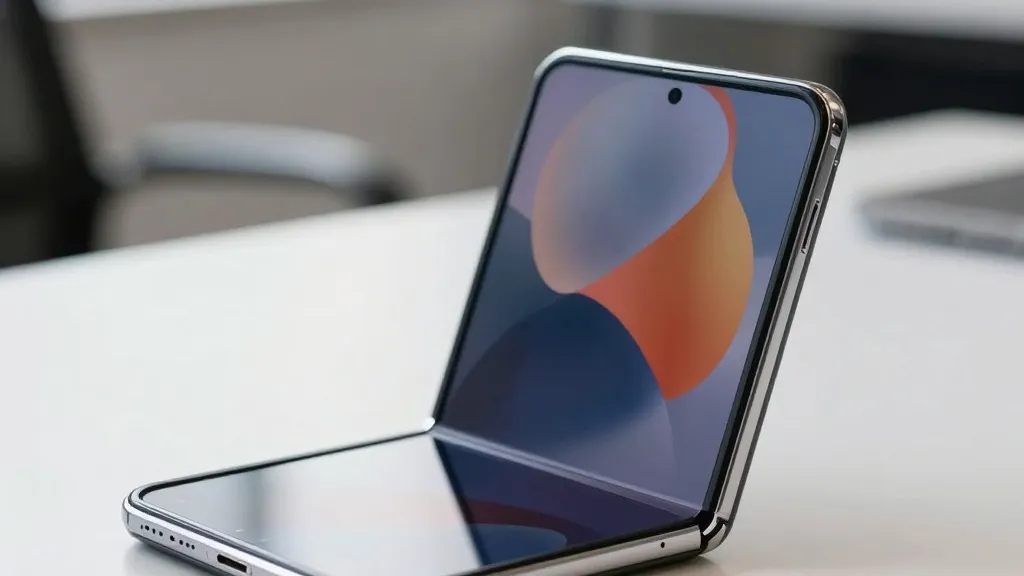
A sudden surge in consumer interest for Apple’s first folding smartphone has forced the company to rapidly scale up its manufacturing operations. Supply chain reports indicate that Apple has increased its order volume for the iPhone Duo by more than 40% to meet what executives have characterized as exceptional pre-order demand.
The initial launch on Friday revealed immediate logistical strain. Within minutes of pre-orders opening, customers reported that estimated delivery dates had slipped significantly, with some shipments pushed back to late January. While Apple attributed these delays to the high volume of orders and limited purchases to two units per customer to curb scalping, the swift adjustment of shipping schedules for early buyers now points to a proactive response by the manufacturer rather than a supply shortage.
According to a report from DigiTimes, based on insights from supply chain sources, Apple has aggressively revised its shipment targets. The company originally projected 9.7 million units for the first twelve months of the product's lifecycle. However, expecting this strong demand to persist, Apple has boosted its target to 14 million units. This significant increase reflects a confidence in the device's market reception despite the initial friction in the ordering process.
Contextualizing the launch, the phrase "extraordinary" demand is not new to Apple’s communications regarding new iPhone releases. However, the magnitude of the production adjustment suggests that the iPhone Duo is performing at a level that warrants a substantial shift in operational planning. The company is balancing the need to satisfy eager buyers against the physical constraints of manufacturing a complex new form factor.
Early adopters have begun using the device, and initial reviews from the first week of usage highlight a consistent set of observations. A primary concern remains the optimization of third-party applications, which are not yet fully tailored for the folding screen. Apple maintains that this situation is improving rapidly as developers adapt their software, but app support remains a key takeaway for early users alongside other noted features.
Another point of discussion in early reviews is the decision to utilize Touch ID for the device. However, new reports suggest that Apple is already testing prototypes for a second-generation iPhone Duo that may incorporate Face ID, indicating that the company is actively refining the biometric security features for future iterations of the folding line.
Source: 9to5Mac