Steve Jobs unveils 5GB iPod that fits 1,000 songs in a pocket-sized package
The 2001 launch of the original iPod marked a turning point in personal audio, offering a compact device that could hold a user's entire music collection for under four hundred dollars.
By Ahmed Mansour ·
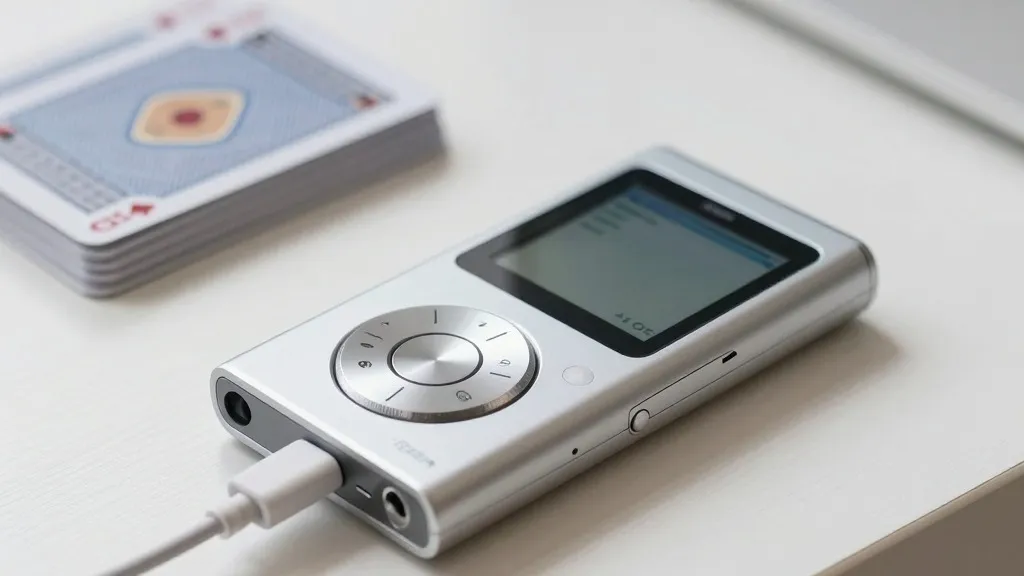
In October 2001, Apple CEO Steve Jobs introduced a device that could store 1,000 songs in a package no larger than a deck of cards. This 5 gigabyte capacity was the centerpiece of the original iPod announcement, a milestone that redefined how consumers carried their music. The device was priced at $399, a figure that made the promise of a portable, full-scale music library accessible to a broader audience. This launch marked a significant shift in the personal electronics landscape, moving beyond simple storage to a curated user experience.
The introduction of the iPod occurred at a pivotal moment for Apple. The company had already navigated the difficult post dot-com bubble era by revitalizing its Mac OS X platform with successful products like the iMac and iBook. Jobs had previously predicted that the Mac would become the hub of a user's digital life, connecting cameras, camcorders, and DVD players. He identified portable music as the missing link in this ecosystem. While competitors like Sony and Creative already offered portable players, Jobs argued that none had found the right formula for digital music.
The original iPod was positioned as a hard disk based player, distinct from the flash memory devices or CD players available at the time. It supported popular audio formats of the era, including MP3, WAV, and AIFF, while delivering CD quality sound. The 5 gigabyte storage space was specifically calculated to hold 1,000 typical pop songs encoded at 160 kilobits per second. Jobs emphasized that for most users, this capacity represented their entire personal music library, a compelling value proposition that distinguished the product from existing alternatives.
The physical design of the device was a critical part of its appeal. Apple utilized a 1.8 inch hard drive from Toshiba that was just 0.2 inches thick, allowing for a compact form factor. The device measured 2.4 by 4 by 0.78 inches and weighed 6.5 ounces, making it lighter than many cell phones of that period. This portability was paired with a rechargeable lithium polymer battery that provided 10 hours of continuous playback. Apple noted that the battery could be recharged to 80 percent in one hour, ensuring the device remained ready for use.
Connectivity and transfer speed were also highlighted as major advantages. The iPod featured a single FireWire 400 cable for both charging and data transfer. Jobs claimed this connection allowed for the transfer of an entire CD of music in five to 10 seconds. In contrast, USB connections of that era could take up to five minutes to transfer the same amount of data. For the full 1,000 song capacity, the FireWire connection was estimated to take 10 minutes, whereas a USB player might require five hours. This speed was marketed as a key differentiator for the impatient consumer.
The user interface focused on simplicity and ease of use. The device featured a scroll wheel with tactile feedback, designed to be operated with one hand. This control scheme allowed users to quickly navigate playlists, artists, or individual songs. During the launch presentation, the first song demonstrated was 'Building a Mystery' by Sarah McLachlan. The design philosophy emphasized durability and a minimal aesthetic, with smooth surfaces and a straightforward layout that aligned with Apple's brand reputation.
Software integration was another pillar of the strategy. iTunes 2 launched simultaneously with the iPod, introducing features like MP3 CD burning and direct syncing support. The Auto Sync feature ensured that any music library curated on a Mac would automatically update on the iPod when connected. This seamless integration between the desktop computer and the portable player was intended to make the device an extension of the user's existing digital workflow. The iPod also functioned as a FireWire hard drive when connected to a computer.
The original iPod laid the groundwork for a product line that would dominate the market for nearly two decades. Although the first iPhone did not arrive until early 2007, the iPod remained a core part of Apple's product stack for over a decade. The line continued to evolve, with the final model being the 7th generation iPod Touch in May 2019. While the product line was left unmaintained for a period, it was officially discontinued in May 2022. The legacy of the 2001 launch remains a defining moment in the history of consumer technology.
Source: Tom's Hardware