33 Million Brazilians Skipped Ballot as Osasco Factories Vanish
A shift from industrial jobs to mall-based service work drove a historic abstention rate in the presidential first round.
By Marco Graham ·
33 million Brazilians did not cast a vote in the presidential first round this month, marking the highest level of abstention since 1998. The non-voters left a fragmented field for the Sunday runoff between President Luiz Inácio Lula da Silva and right-wing candidate Flávio Bolsonaro. Every first-round winner since 1989 has secured the presidency, making this turnout gap a defining feature of the current contest.
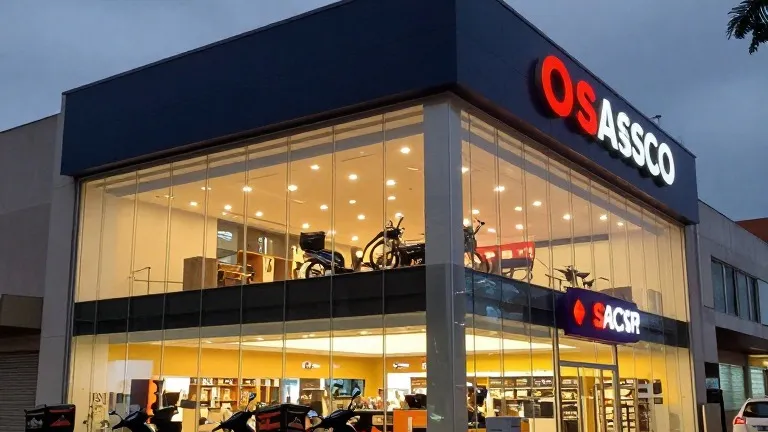
The shift is most visible in Osasco, a municipality in São Paulo state that has transitioned from an industrial hub to a center for shopping malls and delivery applications. The city supported Lula in 2022 but moved its vote to Flávio Bolsonaro in the first round. Gilberto Almazan, who leads a metalworkers' union in Osasco, attributes the change to rapid deindustrialization. He notes that metal, chemical, and textile factories have disappeared while five malls were constructed in their place.
Almazan describes the local union movement, which helped launch Lula's political career, as stuck in the Middle Ages. He observes that the working class no longer consists primarily of industrial workers but of drivers, food couriers, and small traders. He labels this economic shift Uber-isation, arguing that these workers prioritize flexibility over the collective welfare programs Lula has traditionally offered. Richard Lapper, a biographer of both candidates, calls Lula a victim of his own success, noting that Brazil industrialized late and deindustrialized early, which sharpened the social impact of the change.
Despite unemployment falling to a record low and Brazil being removed from the UN Hunger Map, voters report a crisis of expectations. Robson, a 53-year-old civil servant who previously supported Lula, blames government mismanagement for a heavy tax burden. Tairine, a hot dog seller who formerly abstained, now plans to vote for Bolsonaro, stating that nothing has changed since Lula returned to office. Gisele Bonfim, a lawyer who voted for Lula in 2022, says Bolsonaro offers the hope of change. Flávio Bolsonaro has proposed cutting government spending and ministries while keeping some of Lula's flagship welfare programs. He denies accusations of corruption.
Lula's campaign is responding with large street rallies, claiming one in São Paulo drew about a million people, including hundreds of thousands of students. Lula, 80, uses social media to counter claims that he is past his prime, referring to himself as the king of selfies. In Maré, a large favela in Rio, Lula still won despite above-average abstention. Vitoria, an 18-year-old mother earning under £300 a month, praises Lula's minimum wage increase and free essential medicines. She expresses doubt about Bolsonaro's plan to designate the Comando Vermelho gang a terrorist organization, citing police raids in Rio last year that killed more than 130 people.
Evangelical churches, attended by about a quarter of Brazilians, are filling gaps in social services with childcare, employment advice, and food. Pastor Silas Malafaia, who is under investigation for allegedly obstructing the coup trial of Jair Bolsonaro, says Flávio Bolsonaro shares the church's values on family and opposition to abortion. The first round results appeared more like a rejection of Lula than a strong endorsement of his rival. Almazan fears there will never be another Lula, leaving the president's fate dependent on whether voters believe he can offer a new story.
More Politics · World news · Report a business · Got a Story?