Late 2027: The New Reality for Tesla's Humanoid Ambitions
Tesla has pushed external Optimus deliveries to the end of 2027, citing persistent challenges in hand durability and AI architecture.
By Camila Rodriguez ·
The central tension in the humanoid robotics race is no longer about who can build a robot, but who can make one that survives contact with the real world. Elon Musk confirmed on Tesla’s Q3 2026 earnings call that the company will not begin delivering Optimus units to outside customers until late 2027. This delay marks another shift in a timeline that has already slipped multiple times, underscoring the gap between engineering a prototype and manufacturing a reliable industrial asset.
The primary hurdle remains the robot’s hands. During the call, Musk acknowledged that the fingers must be soft enough to handle delicate items yet durable enough to withstand constant wear, a challenge compounded by the fact that robots cannot heal like human skin. An engineer on the call noted that custom gears also present reliability concerns. These mechanical issues are part of a broader set of problems that include AI architecture and overall durability, all of which must be solved before mass external deployment can begin.
Tesla is attempting to solve the AI generalization problem by building a fleet of 10,000 to 20,000 robots for an internal training program called the Optimus Academy. Since the company lacks a large fleet of robots collecting data in the wild, this controlled environment is intended to help the AI learn tasks that are not pre-programmed. The AI5 chip is scheduled for integration around April 2027, and Musk promised a video within a couple of months showing the robot performing unscripted tasks to prove its capabilities beyond scripted demos.
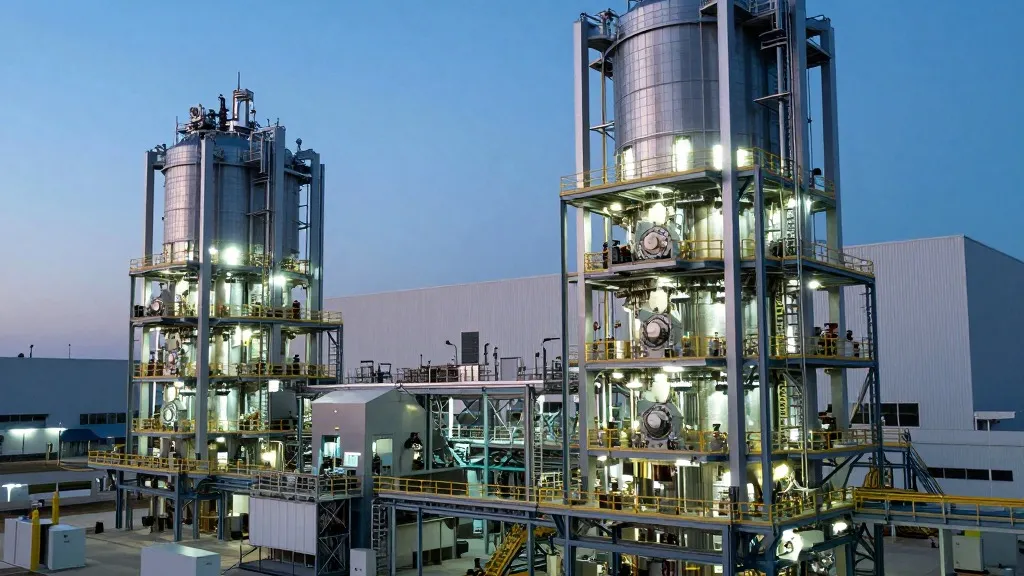
The production setup at the Fremont plant, which previously built Model S and Model X vehicles, is largely installed for a potential capacity of one million units per year. However, Musk stated that reaching a rate of 20,000 units per week will take at least a year because the design is still in flux. The Q3 shareholder letter now describes the current output as the first production-quality bots, implying that earlier units were prototypes rather than finished commercial products.
Context from competitors suggests Tesla is not alone in facing these delays. XPeng activated an automated production line in Guangzhou in September and targets mass production by the end of 2026, with deliveries beginning in the first half of 2027. Boston Dynamics, which began producing its electric Atlas in January, has committed all 2026 deployments to partners like Google DeepMind and Hyundai. While Musk claimed no one is close to Tesla, these rivals are already executing on similar or slightly earlier timelines.
The outlook for late 2027 depends on whether Tesla can overcome the generalization gap. If the robot can handle dangerous, repetitive, or round-the-clock industrial jobs reliably, the delay may prove justified. However, the recurring pattern of slipping dates raises questions about the feasibility of the current schedule. As the industry moves from demonstration to deployment, the focus will shift from impressive demos to consistent, unscripted performance in the field.
Source: Electrek