Displacement: Wolves return to Finnish villages after Google clears forest
Wildlife is moving into human settlements near Muhos and Otanmäki as a result of unauthorized data center construction.
By Marcus Johnson ·
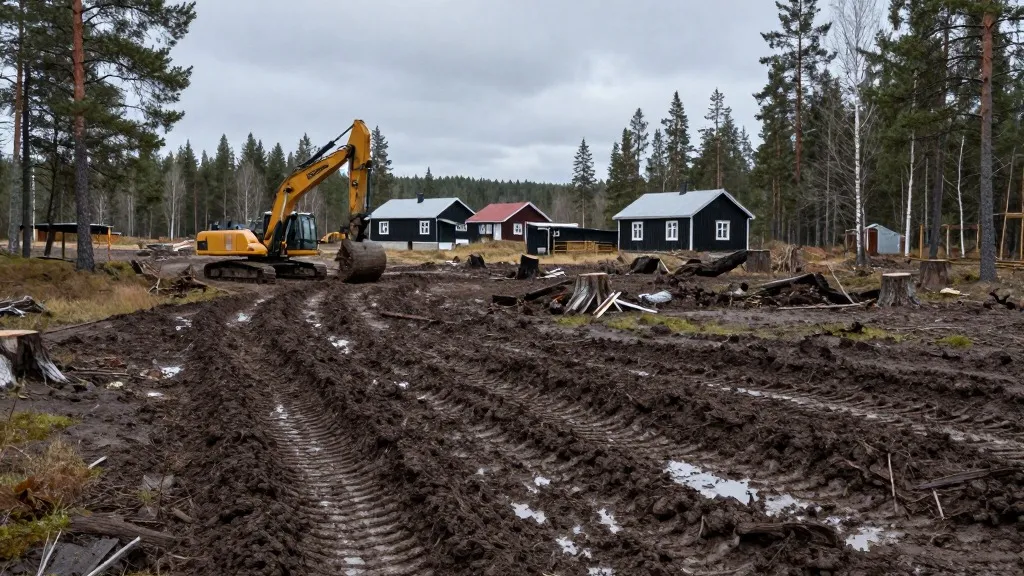
Google has apologized for clearing forest land in Finland without proper authorization. The company’s country manager acknowledged the issue after a significant portion of the woodland near Muhos was removed. This action turned 816 acres of forest into a wide expanse of mud. The disruption has pushed local wildlife out of its natural habitat. Wolves, which previously roamed these specific woods, are now seen in nearby villages. The shift in animal behavior is raising concerns for residents who live in the affected areas.
The construction was intended to build new data centers for artificial intelligence. Google cleared roughly 500 acres of forest in the process. This site is located 55 miles southeast of the village of Otanmäki. The Finnish Licensing and Supervision Authority, or LVV, has ordered Google to stop work in these areas. The regulator found that the company had not followed the necessary environmental rules. The order applies to both the Muhos and Otanmäki sites. This halt in construction follows a notice given earlier this month.
Local residents have been living with the consequences of the clearings for some time. Anni Ranta, a 53-year-old resident of Otanmäki, has lived in the area for generations. She noted that the loss of forest cover forced animals to move closer to homes. “We had wolves coming into the village because all the wild animals moved out of the forest,” Ranta explained. This change in wildlife patterns is now a safety issue for many families. Ranta also expressed a different concern about the American presence in the region. She fears the new data centers make Finland a more attractive target for Russian aggression.
The anger from locals goes beyond just the appearance of the muddy sites. Many people in the community are complaining about the noise from construction and factories. Others have noticed that local streams have turned brown. Rare bird species are being pushed out of their traditional territories. These are common complaints in areas where large-scale tech infrastructure is being built. Similar concerns have been raised in the United States and other countries. The environmental impact of AI data centers is a growing topic of discussion globally.
The Finnish Association for Nature Conservation, known as SLL, called Google’s actions unprecedented. A representative from the group told The Guardian that the company clearly flouted environmental policy. The LVV agreed with this assessment by issuing the stop-work order. Despite the regulatory pushback, Google remains confident in its approach. A spokesperson for the tech giant stated that they would fully comply with the LVV’s requests. The company hopes to maintain an open dialogue with Finnish authorities.
Google’s representative emphasized the importance of the partnership with Finland. They said the company looks forward to strengthening its relationship with local organizations. The tech firm is likely banking on the economic benefits of the data centers. These benefits include job creation and increased infrastructure investment. The company believes these advantages will help sway regulators and the government. They are aiming to balance their environmental responsibilities with their business goals.
The timeline of events shows a rapid escalation. Google began the clearing process in the rush to build AI facilities. The LVV noticed the unauthorized work and issued a notice to stop. This happened earlier this month. The mud and displacement of wildlife became apparent to locals. The wolves began moving into the villages. The Guardian reported these specific movements recently. The situation highlights the tension between tech expansion and environmental preservation.
The immediate future involves a pause in construction. Google must comply with the LVV order while it negotiates with authorities. Residents are watching closely to see if the muddy areas will be remediated. There is no clear plan yet for reforestation or wildlife protection. The companies involved hope to resolve the licensing issues quickly. The local community, however, is still dealing with the presence of wolves in their neighborhoods. The debate over the true cost of AI infrastructure continues in Finland.
This incident is part of a larger trend in the tech industry. AI data centers require significant land and energy resources. As companies race to build these facilities, they are often in new or rural locations. The environmental impact is becoming a major point of contention. Google’s situation in Finland is a clear example of this trend. The company’s response will likely set a precedent for other projects. Regulators in other countries are watching the outcome closely. The balance between innovation and nature is being tested in real-time.
Source: Tom's Hardware