20,000 Orders in 24 Hours: How a Waddling Robot Became the Hottest Holiday Tech
A viral demo of a tiny, open-source duck robot has sparked a massive preorder surge, positioning it as a potential best-seller for the upcoming holiday season.
By Mariana Delgado ·
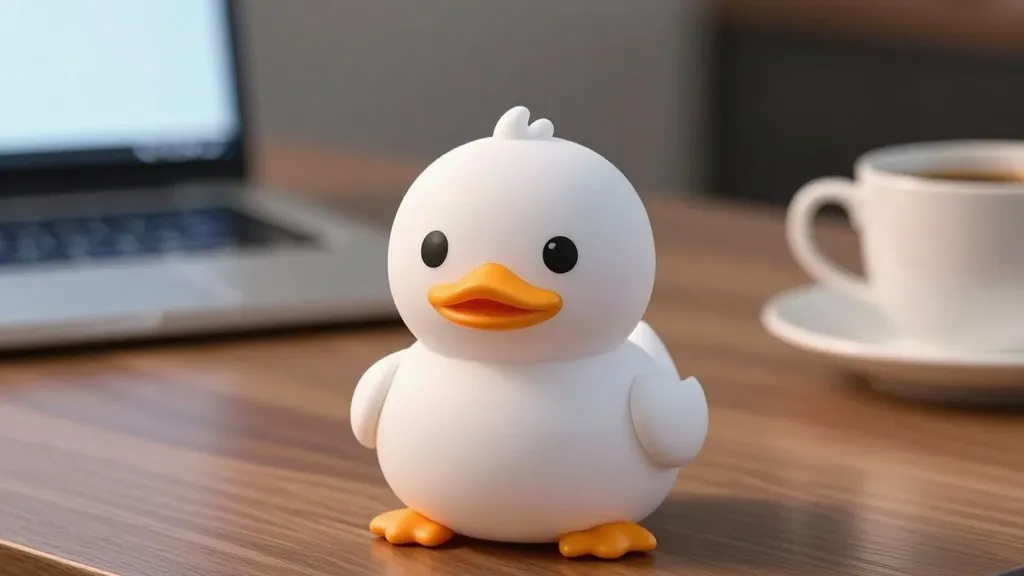
Twenty thousand. That is the number of preorders for a small, waddling robot in the span of a single day, a figure that has quickly turned a niche tech accessory into a mainstream holiday phenomenon. The surge in demand was triggered by a viral video featuring Nvidia CEO Jensen Huang interacting with a flock of these devices during his keynote address at the GTC Berlin conference earlier this week. The clip, which shows the robots stomping their feet, performing summersaults, and mimicking the sounds of the fictional droid R2-D2, resonated with audiences far beyond the usual tech demographic.
The rapid adoption of the device follows a distinct timeline of corporate consolidation and product development. The robots, known as Microducks, are the product of Pollen Robotics, a company that was acquired by Hugging Face in 2025. In September of this year, Nvidia purchased Hugging Face, effectively bringing the Microducks into the orbit of the GPU giant. This marks Hugging Face’s second entry into the robotic space, following the release of the similarly adorable Reachy Mini, but the Microducks appear to have struck a stronger chord with the general public.
For non-experts, the appeal lies in the device’s approachable nature and its underlying open-source architecture. Because the hardware is open source, it is not a closed ecosystem locked into a single company’s proprietary rules. Instead, it functions as a platform where the initial capabilities are built-in, but the potential for customization is left in the hands of the user. This technical transparency, combined with the physical charm of the robot, has created a unique marketing narrative that transcends traditional tech specifications.
The technology behind the Microducks relies on Nvidia’s own software stack for training. During the development phase, simulations of the robots were taught basic motor skills, including walking, sitting, and standing. These pre-programmed behaviors are what users see when they first unbox the device. However, the design allows for a community-driven expansion of features. Owners are encouraged to train their individual units on new tricks and then share those customizations with the broader user base, creating a living library of robotic behaviors.
The demographic targeting for this product appears to be broader than typical toy markets. While the holiday season traditionally drives sales for children’s products, promotional materials for the Microducks have prominently featured adults engaging with the robots. This suggests that the device is positioned as a lifestyle accessory or a desk companion for professionals, rather than strictly a child’s plaything. The viral nature of the CEO’s demonstration likely reinforced this adult-centric appeal, showing that the technology is sophisticated enough to entertain grown-ups who might otherwise overlook a small plastic duck.
Looking ahead, the delivery window for these units is expected to align with the Christmas season. This timing is critical for the company’s goals, as it positions the Microducks to compete with established holiday staples. Industry observers, including Hugging Face’s Clem Delangue, have noted that the preorder volume suggests the device could become the best-selling robot of the year. The speed at which the 20,000-unit threshold was reached indicates a level of consumer excitement that is rare for a hardware product in its initial launch phase.
The success of the Microducks also provides a narrative shift in the public perception of artificial intelligence. In the same week the video went viral, the AI industry faced significant scrutiny due to its involvement in several high-profile cyberattacks. These incidents had painted a darker picture of the technology’s impact on security and privacy. In contrast, the Microducks offer a tangible, fun, and low-stakes example of AI in action. The viral video served as a palate cleanser for the industry, demonstrating that while AI can be complex and occasionally problematic, it can also be delightful and accessible.
As the holiday shopping season begins in earnest, the Microducks are poised to test the limits of consumer interest in household robotics. With delivery schedules locked in for Christmas, the next few weeks will determine whether the initial viral hype translates into sustained sales. If the preorders hold, this small duck may well redefine what consumers expect from their holiday gifts, blending the charm of a traditional toy with the capability of modern, open-source robotics.
Source: TechCrunch